
Russia’s promise to pause strikes on Kyiv during U.S. envoys’ visit collided with fresh reports of deadly attacks, reviving doubts about who controls the war—and who controls the story.
Story Highlights
- The Kremlin said it would pause strikes on Kyiv tied to U.S.-led diplomacy.
- Ukraine accused Russia of breaking the pause with new assaults and air attacks.
- Reuters reported 12 killed near Kyiv after days of strikes, undercutting any stable lull.
- Analysts say short truces often lack verification and real buy-in from both sides.
What Moscow Announced And Why It Mattered
The Kremlin linked a short halt on strikes in Kyiv to diplomacy and a personal request from President Trump. Kremlin spokesperson Dmitry Peskov said Russia would pause attacks to support talks and create space for negotiations. The statement tracked with earlier moments when President Vladimir Putin signaled openness to temporary breaks if they advanced talks, though on strict terms. The pause was timed as U.S. envoys Steve Witkoff and Jared Kushner engaged both capitals, raising hopes for even a narrow de-escalation window.
Kyiv’s leadership has tried to anchor any pause within a broader dialogue with partners and clear wartime goals. Ukrainian readouts have emphasized coordination with allies and careful steps tied to national interests. The visits by U.S. envoys were presented as part of an ongoing push to test limited confidence-building ideas, including short pauses and humanitarian steps. Those efforts aimed to reduce immediate harm while probing whether Moscow would honor even modest commitments tied to talks.
What Happened On The Ground
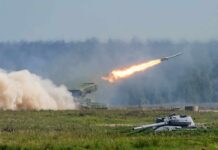
Ukraine said Russia broke the proposed pause with dozens of assaults, air strikes, and drone attacks overnight. President Volodymyr Zelenskyy called it an “obvious spurning” of peace. The charge came alongside battlefield reports that suggested active combat continued despite the diplomatic framing. The claims matched a broader pattern seen in prior lulls, where one side announced limits while operations continued elsewhere or even near the capital, blurring the meaning of any “pause”.
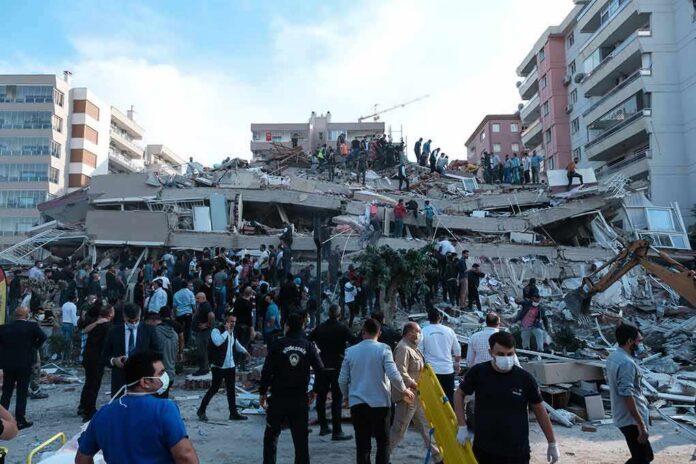
Reuters reported 12 people killed in Kyiv and nearby areas after six straight days of strikes, signaling no sustained calm. The tally highlighted the gap between political statements and the lived reality under bombardment. It also raised basic verification questions: who defines the pause’s scope, who monitors it, and what happens when violations occur. Without those answers, even a high-profile pledge can look like public theater while missiles still fly.
Why Short Ceasefires Keep Failing
Security experts point to four weak links that often doom these pauses: unclear scope, no independent monitors, no enforcement tools, and no mutual buy-in. When parties announce unilateral limits, the other side may not accept them or may test them at once. Past studies of ceasefire monitoring in Ukraine stress that technology and neutral observers can help, but only if both sides agree to let them work. Otherwise, facts on the ground beat words on paper.
Putin signs 72-hour ceasefire with Kyiv after US envoy visits Moscow.
Kushner's already writing his book jacket.https://t.co/0xt7qPoaik
— NEWS BEAST (@bynewsbeast) September 5, 2026
Russia’s mixed signals add to the doubt. On one hand, the Kremlin says pauses can support talks. On the other, President Putin has described Ukraine’s leadership as “terrorists” and claimed battlefield momentum, which cuts against near-term concessions. That framing makes a short pause look tactical, not a step toward a wider deal. When leaders say victory is near, they rarely lock in limits that slow their campaign, even for a weekend.
What This Means For Americans Watching
Washington’s push for even a narrow break reflects a basic truth: reducing civilian harm matters, even for a day. But Americans also see a familiar pattern. Leaders issue statements. Agencies hold briefings. Missiles still hit homes. Both conservative and liberal voters share a growing view that powerful actors stage events while regular people absorb the costs. If a pause cannot be verified or enforced, it becomes one more promise that everyday families learn not to trust.
The Road Ahead: Verification Or More Violence
Any future pause will need precise maps, agreed timelines, and outside eyes to confirm compliance. It will also need a feedback loop that stops violations fast and names who broke the deal. Without those basics, short lulls may only reshuffle headlines while the war grinds on. U.S. envoys can still help by securing concrete, checkable steps, like protected corridors and power grid no-strike lists. Small, proven wins build the trust larger deals need.
Sources:
mediaite.com, kyivindependent.com, bbc.com, reuters.com, cnn.com, youtube.com