
British police declared a “major incident” near a United States–used air base and evacuated homes after arresting several men on suspicion of explosives offenses.
Story Highlights
- Police arrested several men under the Explosives Act near Royal Air Force Fairford.
- Officials declared a major incident and evacuated residents from Whelford to safety sites.
- Army bomb-disposal specialists examined multiple vehicles at the scene.
- The base is used by the United States Air Force, heightening security concerns.
Arrests and Evacuations Near a Sensitive Military Site
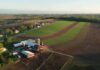
Gloucestershire Police said several men were arrested on suspicion of offenses under the Explosives Act near Royal Air Force Fairford in southwest England. Officers declared a major incident and began evacuating parts of Whelford as a safety precaution. Police directed residents to a nearby leisure center while teams worked the scene. The force did not release names or charges. The police statement focused on safety steps and the legal basis for the arrests, not on motive or affiliations.
Police framed the response around risk management. Declaring a major incident triggers extra resources, tighter command, and clear public warnings. That step came with visible moves on the ground. Roads were closed, cordons went up, and specialist units deployed. The area includes Royal Air Force Fairford, a base used by the United States Air Force, which raises the stakes for both British and American security teams. Authorities described the location and the actions taken but held back on deeper details.
Bomb-Disposal Teams and the Explosives Investigation
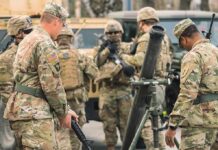
British Army explosive ordnance disposal specialists examined several vehicles at the site. That role fits the reported suspicion under the Explosives Act and explains the evacuation zone. Bomb-disposal teams often assess potential devices, chemicals, and vehicle contents during such calls. Officials did not say if explosives were found or describe any specific item. The on-scene presence of specialists still signals a high-consequence posture while facts are gathered and the area is made safe.
Major outlets reported the same core facts from police: arrests, the major incident, evacuation, and the bomb-disposal response. Reuters, the British Broadcasting Corporation, and others aligned on these points. Some reports mentioned counter-terrorism involvement, but initial police lines did not confirm that step. This early phase mirrors common practice in United Kingdom security cases, where police share immediate safety actions first and follow with legal or forensic detail later as evidence is tested and logged.
What We Know, What We Do Not, and Why It Matters
Officials confirmed the arrests under the Explosives Act and the evacuation measures in Whelford. They did not confirm how many suspects in total, their identities, or any link to an organized group. They also did not publish timelines beyond the incident declaration. That leaves open questions about the start of the operation, the exact triggers for the arrests, and what investigators found in the vehicles. These points should become clearer if charges are filed in court.
Royal Air Force Fairford’s role as a forward site for United States operations adds weight to the story. A serious security action at or near a base tied to American forces will draw fast political and military attention on both sides of the Atlantic. It also exposes a familiar tension for many readers. People on the right and left worry that government misses threats until too late, yet also fear heavy-handed actions that keep the public in the dark. Clear, fact-based updates help both concerns.
How Authorities Typically Handle These Incidents
United Kingdom police often act first on suspicion when explosives risk is possible. They secure the area, evacuate people, and bring in specialists to reduce harm. Only after the scene is safe do they release more detail, like charges or device types. That measured flow aims to protect life, keep evidence intact, and avoid rumors that can spark fear. Today’s steps at Whelford match that pattern, from the major incident call to the arrival of the bomb team.
THIS MORNING. RAF FAIRFORD. 00:45.
A pensioner called 999. Not MI5. Not GCHQ. A villager spotted three suspicious vans heading toward a US bomber base and dialled 999.
Five men arrested under the Explosives Act, then upgraded to Section 5 of the Terrorism Act: preparation of a… pic.twitter.com/GdVROzs1pV
— Christian (@InTheTrenchesUK) September 27, 2026
For families near the base, the focus is simple: safety, clear guidance, and a quick path home. For national security planners, the priorities include base protection, transport checks, and cooperation with allies. For a public tired of grand promises and thin results, the test is straightforward. Do officials give plain facts, avoid spin, and show steady control? As more information comes, those measures will show whether the response met the moment.
Sources:
youtube.com, reuters.com, abcnews.com, aljazeera.com, bbc.com, bbc.co.uk, independent.co.uk, gbcode.rthk.hk