

New York’s real crisis isn’t a Trump insult or a socialist slogan—it’s the fragile moment when a city’s tax base decides it has better places to live.
Trump’s “Destroying New York” Post Was About Leverage, Not Feelings
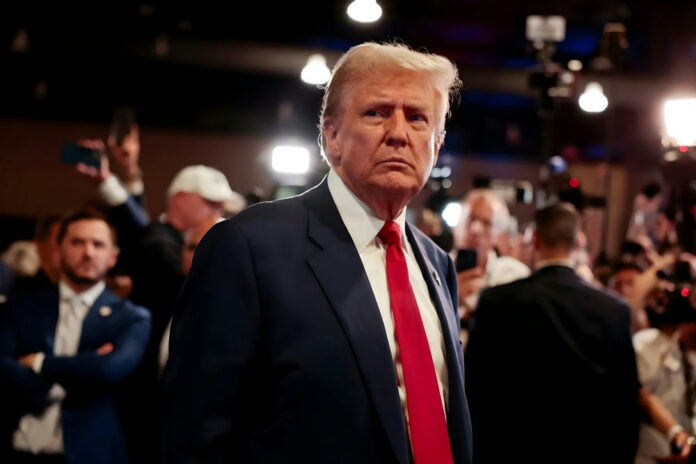
Donald Trump’s public rebuke of Mayor Zohran Mamdani landed like a tabloid headline, but it functioned like a warning label. Trump tied Mamdani to a single accusation: “tax tax tax” policies that drive away money, jobs, and ultimately residents. The timing mattered—more than 100 days into Mamdani’s term, after early promises began colliding with delivery deadlines. Trump also framed a moral argument: America shouldn’t bankroll a city that won’t change course.
That message resonates because New York’s budget reality depends on a relatively small share of high earners and high-value businesses. When politicians threaten that group—explicitly or implicitly—mobility becomes a weapon. Critics of Mamdani’s agenda don’t need to “hate the rich” to worry about consequences; they just need to understand what happens when tax policy becomes a dare. Trump’s post wasn’t subtle, but it didn’t need to be. It was aimed at the exit door.
How a “Warm” Relationship Turned Into a National Proxy War
The most revealing detail in the coverage wasn’t the insult; it was the whiplash. Reports described an “unlikely” and initially warm relationship between Trump and Mamdani, despite Mamdani’s democratic socialist branding and Trump’s pro-business instincts. That kind of détente usually signals transactional cooperation: cities need federal support; presidents like public wins. The break suggests Mamdani’s newest “tax the rich” push crossed from symbolism into a budget threat that Trump decided to nationalize.
That pivot also fits modern politics: a local tax proposal becomes a national morality play within hours. Strategists on CBS framed Mamdani’s early governing style as “over-promising, under-delivering,” a critique that stings because it attacks competence, not intentions. From a conservative, common-sense perspective, competence is the whole ballgame. Promises of “free” services only stay popular until residents see delayed rollouts, mounting costs, or basic municipal failures—like complaints about snow removal—while leaders keep pitching bigger ideas.
The “Tax the Rich” Plan Collides With an Old Problem: Easy-to-Move Money
Mamdani’s signature pitch—fund expanded public benefits by taxing wealthy residents more—hits a structural problem New York has wrestled with for decades. Cities can’t print money; they compete. If the top taxpayers, investors, and employers can relocate, they often will, especially when they already feel battered by crime concerns, quality-of-life decline, or sluggish services. The coverage highlighted a familiar magnet: Florida, where the brand is low taxes and a friendlier climate for capital.
One claim circulating in the reporting is that more than $20 billion in capital has shifted toward Miami as New Yorkers move south, with taxes and safety often cited as motivators. Even if every reader debates the exact figure, the direction of travel is the issue. A tax plan that assumes the tax base will sit still treats affluent residents like furniture. They aren’t. When leaders talk about them as a piggy bank, they start acting like travelers—with accountants, moving trucks, and new ZIP codes.
Free Buses and Grocery Stores Sound Great Until Voters Ask “When?”
Mamdani’s platform—free childcare, free grocery stores, free buses—has emotional appeal, especially for families and seniors feeling crushed by living costs. The political risk comes when the calendar arrives. Reporting pointed to delays, including grocery store plans discussed on timelines stretching as far as 2030. That gap creates the opening Trump exploited: if benefits remain aspirational while taxes rise now, the city risks getting the pain upfront and the payoff later, or never.
Conservatives don’t need to dismiss social compassion to question the mechanism. Common sense says government should prove it can run existing systems before expanding into new ones. When residents watch basic services wobble—sanitation, transit reliability, public safety, weather response—then hear leaders pitching brand-new “free” programs, skepticism becomes rational. The deeper problem is trust: once voters conclude leadership can’t execute, every new tax sounds less like investment and more like ransom.
Hochul’s Resistance and the Bigger Fight Over Who Controls New York’s Future
Governor Kathy Hochul’s reported resistance to further tax hikes adds another pressure point: Mamdani can’t govern in a vacuum. New York City’s fiscal machinery intertwines with state politics, labor agreements, and Albany’s appetite for risk. If state leadership blocks or reshapes the mayor’s revenue plan, Mamdani faces a classic urban dilemma: either scale back promises or find alternate funding that doesn’t trigger flight. Trump, watching from the national stage, benefits either way—conflict keeps the spotlight on Democratic divisions.
The federal angle lurks behind Trump’s rhetoric about not supporting “failure.” Presidents can’t simply dictate city budgets, but they can influence the environment—grant priorities, regulatory posture, and the political permission structure around funding. Trump also carries personal New York branding, and that makes his critique sharper: he can argue he’s defending the city’s legacy while painting Mamdani as a risk to it. That storyline plays well to viewers tired of excuses and hungry for accountability.
The Next Question Isn’t What Trump Said; It’s What New Yorkers Do
The open loop is simple: will Mamdani adjust course or double down? No immediate response dominated the initial reporting, which leaves voters filling the silence with their own assumptions. If the mayor produces a credible, detailed plan that protects the tax base while funding priorities, he can blunt Trump’s attack. If the plan reads like a slogan with a spreadsheet stapled on, the exodus narrative becomes self-fulfilling—and New York’s middle and working classes pay the price when the wealthy leave and the bill stays.
Trump rebukes Mamdani's new plan to 'tax the rich' https://t.co/utC7Endw6F
— The Washington Times (@WashTimes) April 17, 2026
Trump’s “destroying New York” jab will fade like most posts, but the underlying choice won’t. Cities thrive when they reward work, protect public order, and spend tax dollars with discipline. They decline when leadership treats economic gravity as optional. Mamdani’s first 100-plus days became a test run; his next 100 may determine whether New York remains a place people endure—or a place they fight to keep.
Sources:
Trump seems to sour on Mamdani over new NY tax proposal after appearing to establish warm ties
‘Destroying New York’: Trump slams NYC mayor Zohran Mamdani’s tax plan