
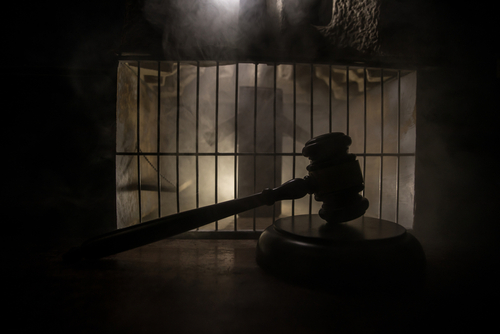
A Utah courtroom is about to reveal how a political assassination case, built on DNA, texts, and hearsay, could test both the justice system and public trust in a time of deep national division.
Story Snapshot
- Prosecutors say DNA, ballistics, and a confession tie Tyler Robinson to Charlie Kirk’s killing and justify seeking the death penalty.
- The defense attacks hearsay evidence, ballistics reports, and media comments, claiming the process is tilted and unfair.
- Judge Tony Graf has kept key hearings public and is weighing whether prosecutors broke rules by talking to the press.
- The case highlights rising political violence and growing doubts about whether elites and institutions can deliver real justice.
What Prosecutors Say Happened to Charlie Kirk
Prosecutors in Utah charge that Tyler Robinson carried out the sniper-style shooting that killed conservative activist Charlie Kirk on September 10 at Utah Valley University in Orem. They say Robinson fired a single shot from a distance, striking Kirk in front of thousands of people at a campus event. Court filings describe a Mauser bolt-action rifle, found wrapped in a towel in a wooded area near the scene, containing one spent round and three unspent rounds. Investigators say Robinson turned himself in the next day and now faces aggravated murder and other serious charges, with the state pursuing the death penalty.
Charging documents and later reporting say key physical evidence links Robinson to that rifle. Forensic labs tested the gun, the towel, and ammunition and found DNA consistent with Robinson on the trigger, fired cartridge casing, two unfired cartridges, and the towel used to wrap the weapon. Two different labs, working independently, reportedly reached the same DNA findings on the screwdriver, towel, and gun tied to the crime scene. Prosecutors also point to text messages in which Robinson allegedly told his romantic partner he targeted Kirk because he was “fed up with his hatred,” framing the killing as politically driven.
Why This Hearing Matters More Than a Usual Court Date
This week’s preliminary hearing is not a full trial. Instead, Judge Tony Graf must decide whether prosecutors have enough evidence for the case to move forward and whether the death penalty remains on the table. The legal bar here is low: the state only needs to show reasonable grounds to believe Robinson committed the crime, not prove guilt beyond a reasonable doubt. Still, the hearing will look like a mini-trial. Prosecutors plan to present forensic findings, surveillance video, witness statements, autopsy details, and recordings connected to Robinson’s alleged confession.
Because Kirk was a high-profile conservative figure, interest in the case is intense on both the right and the left. Robinson’s lawyers asked the judge to close parts of the hearing and seal some exhibits, arguing that wall-to-wall coverage would poison any future jury pool and deny their client a fair trial. Judge Graf denied those requests and ruled the preliminary hearing will stay open to the public and press, calling transparency a core part of the court system. That decision fits broader fears many Americans share: people worry powerful institutions will hide key facts or tilt the process to protect their own, especially in political cases.
The Fight Over Hearsay, Ballistics, and Media Spin
A major clash in this case is over hearsay evidence. Prosecutors do not plan to bring Robinson’s roommate, Lance Twiggs, to testify live at the preliminary hearing. Instead, they intend to use a video-recorded interview with Twiggs and electronic messages plus a handwritten note to show Robinson confessed, hid the weapon, got rid of clothing, and told Twiggs not to contact police. Under Utah rules, judges may rely partly or fully on “reliable hearsay” to find probable cause, so Graf has ruled such evidence is allowed at this stage.
Robinson’s defense team says this setup blocks their right to cross-examine a key witness, making the confession claims less trustworthy. They also question ballistics work from the federal Bureau of Alcohol, Tobacco, Firearms and Explosives. A summary report said there were not enough marks on the bullet fragment taken from Kirk’s body to tie it conclusively to the rifle linked to Robinson or to rule that gun out. Prosecutors answer that this report is “inconclusive,” meaning it neither proves nor disproves a match and should not be read as clearing Robinson. This back-and-forth taps into a wider public worry that technical reports can be cherry-picked by whichever side has more power, money, or media reach.
Media, Cameras, and Claims of a Rigged Process
Beyond evidence, the two sides are fighting over how much the public gets to see. Robinson’s lawyers argue that camera crews and live streams in the courtroom risk turning his case into a show trial, with jurors someday walking in already convinced by media narratives. They have pushed to limit cameras, seal some documents, and even punish prosecutors for giving interviews that, they say, oversold the strength of ballistics evidence to reporters. The judge has already held an evidentiary hearing to decide whether those comments broke court rules and if sanctions should follow.
Prosecutors, Kirk’s family, and many media outlets have argued back that the public has a right to watch a capital murder case unfold, especially one tied to political violence. Kirk’s widow has reportedly pressed for cameras, saying the moment her husband died was recorded and the pursuit of justice should be too. For many Americans, this tug-of-war over transparency feels familiar. Some see live coverage as the only way to keep the “deep state” or other elites honest. Others see the same coverage as proof that sensational stories and ratings matter more than careful truth-finding, especially when politics, race, or ideology are involved.
What This Case Says About America’s Broken Politics
Charlie Kirk’s assassination is not an isolated event. It comes in a growing line of attacks on public figures, from the Congressional baseball practice shooting to the killing of Representative Melissa Hortman in Minnesota. Experts say today’s political climate encourages people to see opponents not just as rivals but as enemies of the nation, while easy access to guns and constant angry talk online make violent acts more likely. Many voters across the spectrum feel trapped between rising political rage and a justice system they no longer fully trust.
Utah County’s choice to pursue the death penalty in Robinson’s case adds more pressure for taxpayers and officials. Capital cases can cost millions of dollars to prosecute and defend, straining local budgets and forcing trade-offs with schools, roads, and health services. As the hearing continues, Americans watching from home bring their own doubts: conservatives who fear their voices are under attack, liberals who worry about state power and minority rights, and a growing middle that believes the government mainly protects itself. However this case unfolds, it will shape not just one man’s fate but also the country’s debate over political violence, fairness, and who the system really serves.
Sources:
youtube.com, ksl.com, livenowfox.com, rev.com, cbsnews.com, apnews.com, heraldextra.com, facebook.com, abc7ny.com, kutv.com, cnn.com, bbc.com, abcnews4.com