

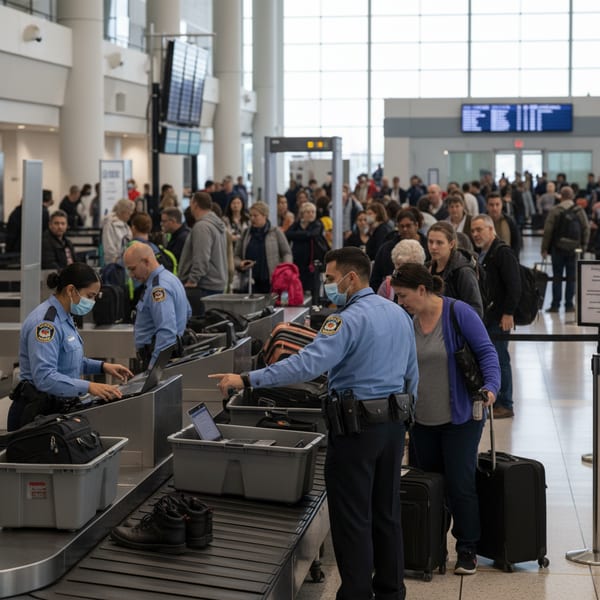
Airlines have canceled two million flight seats in May as war in Iran blocks the Strait of Hormuz, cutting off critical oil tanker routes and creating massive jet fuel shortages that threaten to upend summer travel plans for millions of American families.
Travel Plans DESTROYED By Middle East Conflict
The blockade of the Strait of Hormuz has severed the primary pathway for oil tankers, creating an immediate crisis for airlines worldwide. Major carriers responded by slashing their May schedules, removing two million seats from availability as jet fuel supplies dwindle. The timing hits families planning summer vacations particularly hard, with Memorial Day travel already facing severe disruptions. Airlines now scramble to secure alternative fuel sources while passengers face mounting uncertainty about whether their booked flights will actually depart.

Airlines have already cut more than 13,000 flights and removed nearly 2 million seats from May schedules in the last two weeks.
Europe could

What Passengers Need To Know NOW
Travelers with flights booked through May face difficult decisions about their travel plans. Airlines must notify passengers of cancellations, but the wave of cuts means some families may not learn about problems until days before departure. Passengers whose flights get canceled typically qualify for full refunds under federal regulations, regardless of ticket type purchased. Those who booked through third-party websites should contact airlines directly for fastest resolution. Travel insurance policies may cover additional costs like hotel bookings, but standard policies often exclude war-related disruptions.
Crisis Exposes America’s Energy Vulnerability
The fuel shortage reveals how quickly Middle East conflicts can impact American families, even those with no plans to travel overseas. The Strait of Hormuz handles roughly 21 percent of global petroleum shipments, making it a critical chokepoint for world energy supplies. When Iran or regional conflicts threaten this narrow waterway, ripple effects reach American airports, gas stations, and household budgets within days. Airlines face difficult choices about which routes to maintain as they ration limited fuel supplies, with smaller regional destinations likely facing the deepest cuts to service availability.