

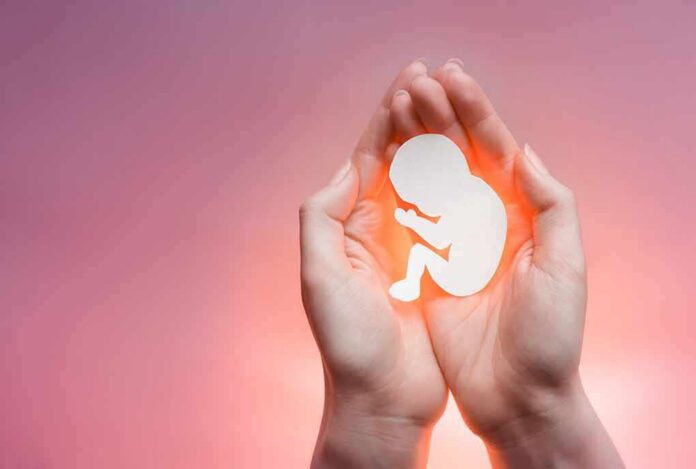
Two out of every three couples who split up while their embryos sit frozen in storage choose to destroy them.
Story Snapshot
- A study of records from the London Women’s Clinic found 141 couples separated while embryos remained in storage between 2019 and 2025.
- Sixty-six percent of those couples chose to discard their embryos, while about one in five kept them in storage and only 4.2% transferred them to an ex-partner.
- A landmark 1992 Tennessee Supreme Court case still shapes how American courts treat frozen embryos as neither fully persons nor simple property.
- A pending New York court fight shows how two signed agreements from the same couple can point in opposite directions, leaving judges to sort out the mess.
What The Numbers From One Clinic Reveal
Records pulled from the London Women’s Clinic tell a stark story. Among 141 couples who split up with embryos still frozen, 66% chose disposal over keeping or donating them. That means thousands of embryos, created with hope during a marriage, ended up destroyed once that marriage ended. The clinic’s own numbers make this pattern impossible to dismiss as a rare exception.
Only about one-fifth of separated couples chose to keep their embryos in storage, and a mere 4.2% transferred them to a former spouse. That leaves disposal as the overwhelming choice once a relationship falls apart. Fertility clinics have long treated embryo storage as a business arrangement, but these figures show how often love’s end becomes an embryo’s end too.
The Legal Fight Over What An Embryo Actually Is
Back in 1992, the Tennessee Supreme Court tackled this head-on in Davis v. Davis. The justices refused to call frozen embryos simply “property,” instead ruling they occupy a special category deserving respect because of their potential for human life. That ruling still guides courts today, and it rejects the cold, transactional framing that treats embryos like furniture in a divorce settlement.
Yet that same ruling cuts both ways. In Davis, one spouse wanted to donate the couple’s seven frozen embryos; the other wanted them destroyed. The court sided with the party who wanted to avoid becoming a parent against their will, reasoning that forcing unwanted parenthood carried its own moral weight. Courts since then have mostly followed this balancing act rather than drawing a hard line against destruction.
A New York Case Shows Contracts Can Collide
A current fight playing out in New York courts proves these problems don’t stay theoretical. A married couple created two embryos through fertility treatment, then signed a 2021 agreement sending any leftover embryos to research if they divorced. Two years later, they signed a second agreement saying the embryos should go to whichever partner won them in a divorce settlement. Those two documents point in opposite directions.
An appellate court has since ordered that nobody, including the fertility clinic involved, may destroy or otherwise dispose of the embryos while the case is under appeal. No embryo has actually been destroyed in this dispute. But the case proves something important: even couples who sign detailed consent paperwork can end up in years-long legal battles over frozen embryos. Paperwork alone doesn’t settle the moral question.
What Fertility Industry Guidelines Actually Say
The American Society for Reproductive Medicine, the group that sets ethical standards for fertility clinics, recommends couples spell out disposition instructions before their first treatment cycle, covering divorce, separation, and long periods without contact. The group frames this as protecting “reproductive liberty,” and officially lists laboratory discard as one of several acceptable options alongside donation or continued storage.
That framing treats embryo destruction as just another box to check on a consent form, no different than choosing a payment plan. Conservative readers who believe embryos carry inherent moral weight will see a disconnect here. An industry built on creating human embryos has normalized their destruction as routine administrative housekeeping, embedded in paperwork signed years before any divorce is even imagined.
Why This Debate Isn’t Going Away
Legal scholars note that divorce is now the most common trigger for embryo disputes nationwide, with courts split between enforcing old contracts, weighing fresh consent, or balancing each partner’s competing interests. One retrospective review found that a third of contested cases involved couples who never signed a disposition agreement at all. That gap in planning, not any single villain, is what keeps landing these cases in court.
The London Women’s Clinic numbers give a rare, concrete glimpse into outcomes that usually stay hidden behind clinic walls. Whether that 66% figure holds true across other clinics and countries remains an open question worth real research. What’s already clear is this: IVF’s business model creates embryos faster than relationships can guarantee their future, and divorce exposes that gap in the starkest way possible.
Families considering fertility treatment deserve honest conversations about what happens if a marriage doesn’t survive, not just a signature buried in a stack of consent forms. The embryos at the center of these disputes didn’t choose to be created, and they certainly don’t choose their own fate. That responsibility falls on the adults who made them, the clinics that store them, and the courts left to referee when love runs out.
Sources:
lifesitenews.com, nycourts.gov, withersworldwide.com, abcnews.com, spuc.org.uk, asrm.org