
A Chicago bus driver escaped through her window after a man with a gun allegedly forced her to keep driving across the city’s Southwest Side.
Story Snapshot
- Prosecutors charged Quentin Lewis with armed kidnapping and three other felonies.
- Video shows the driver climbing out the window to get away from the gunman.
- Police say Lewis pointed a gun on the bus and demanded the route continue.
- The case has reignited concerns about transit worker safety in Chicago.
What Police and Prosecutors Say Happened
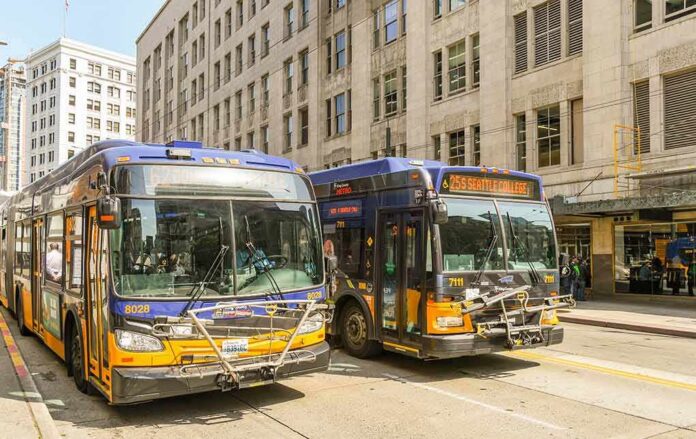
Chicago police say a man boarded a Chicago Transit Authority bus near South Pulaski Road on November 3, pulled a gun, and ordered the driver to keep going. Prosecutors said the bus traveled several blocks with passengers on board before stopping near 55th Street and Pulaski. As riders got off, the driver stayed inside, used the emergency mechanism, and climbed out through the window to escape. Video of the window exit spread quickly online.
Authorities identified the suspect as Quentin Lewis. Prosecutors charged him with armed kidnapping, aggravated unlawful restraint, unlawful use of a weapon by a felon, and possession of a stolen vehicle. A judge ordered him held while the case moves forward. Police also said they later found Lewis in a running car that was not his, and that he had a gun at the time of arrest, which led to the weapons and vehicle charges.
The Driver’s Escape and Public Reaction
Video clips show the driver climbing through the driver-side window to flee. News outlets reported she then reached another bus for help. The striking footage led to fast reactions from riders and workers across the city. Many praised the driver’s quick thinking and worried about how often operators face threats while on duty. The union that represents bus drivers said the event shows why better safety steps are overdue.
Chicago news reports tied the case to a wider push for safer buses and trains. Local coverage highlighted advocates who work to calm conflicts on transit and who say they handle dozens of disputes each year. Their message is simple: operator safety and rider safety go together. They urged city leaders, transit officials, and police to focus on prevention and fast response when threats appear on vehicles or at stops.
Why This Incident Lands Hard With Riders and Workers
Federal data show assaults on transit workers have been rising across the country. From 2008 to 2021, there were on average 241 major assaults per year, and buses made up most of them. Most cases involved yelling or spitting, while a small share involved weapons. That pattern makes a gun on a city bus a rare but high-risk event that draws sharp public concern and shakes trust in basic public services.
The Federal Transit Administration reports that the Chicago Transit Authority’s worker assault rate has exceeded the national average among similar systems for years. National data also show recent spikes in major assaults. These trends explain why one dramatic incident can reset the debate over shields for drivers, better cameras, stronger police presence, and faster dispatch support. Chicago leaders have also touted drops in certain crimes on buses, but worker assaults remain a stubborn problem.
Key Questions for City Leaders and Transit Officials
City leaders must decide which safety steps will help most on buses where space is tight and tensions can rise fast. Common options include hardened driver enclosures, real-time camera links to dispatch, more visible patrols, and better training to defuse conflict. Working rules matter too. Clear policies on when to stop service, open doors, or call police can protect operators and riders when a threat appears in the aisle or at the curb.
Quentin Lewis Arrested for Armed CTA Bus Hijacking … Driver Escapes Through Window After Gunman Forces Her Through Red Lights and Rams Cop Car
Quentin Lewis, 36, was arrested and charged with four felonies after allegedly threatening a 35-year-old CTA bus driver with a… https://t.co/q9629ykg5r pic.twitter.com/yK2RRRGHeM
— SubX.News® (@SubxNews) November 7, 2026
Riders across the political spectrum want simple things: buses that arrive on time, drivers who feel safe, and a system that works. When a gunman can force a route and a driver must crawl out a window, trust in public order takes a hit. This case will move through court, and Lewis is presumed innocent until proven guilty. The safety debate will move faster. Chicago’s response will signal whether leaders can protect front-line workers and the public on everyday trips.
Sources:
fox32chicago.com, chicago.suntimes.com, nbcchicago.com, abc7chicago.com, countryherald.com