
A publicly-funded Texas waterpark faces fierce backlash after announcing an exclusive Muslim-only day featuring mandatory modest dress codes and halal-slaughtered meat, raising constitutional questions about government-sponsored religious events.
The Controversial June Event
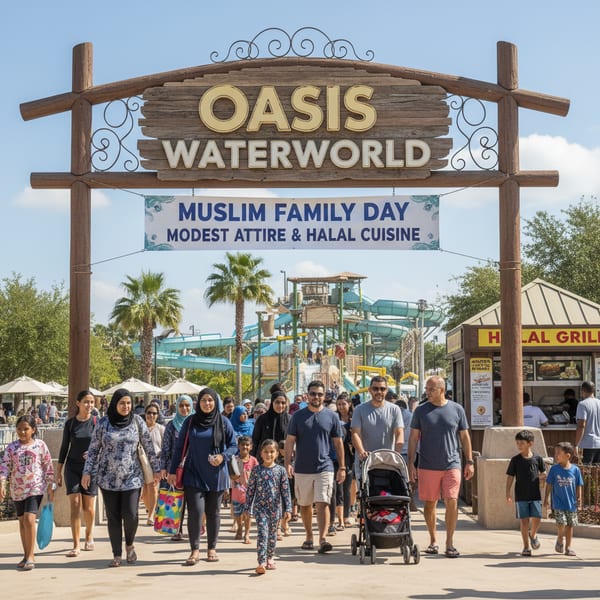
Epic Waters in Grand Prairie, Texas released promotional fliers this week advertising a June 1 celebration exclusively for Muslim guests commemorating Eid. The event requires attendees to follow Islamic dress codes and will serve only halal-certified food prepared according to Islamic religious law. The waterpark operates as a taxpayer-funded public facility, making the religious exclusivity particularly contentious among residents who fund its operations through local taxes.

Grand Prairie, TX has an indoor water park called Epic Waters (no relation to EPIC city).
It is owned by the city & now has a MUSLIM ONLY event on June 1st, with halal food, and a private prayer area.
The event is closed to the public- Muslims only.

Constitutional Concerns Raised
Critics immediately questioned whether a government-funded facility can legally host faith-specific events that exclude other taxpayers. The arrangement appears to blur the traditional separation between religious practice and publicly-funded recreation facilities. Constitutional scholars note that while private venues regularly host religious gatherings, taxpayer-funded facilities face stricter scrutiny when providing exclusive access based on religious affiliation. The situation becomes more complex when government resources directly support religious dietary requirements and worship practices.
Community Reaction Intensifies
Local residents expressed outrage over the apparent double standard, questioning whether similar Christian-only or Jewish-only events would receive equal treatment at the public facility. The controversy highlights ongoing tensions about religious accommodation in public spaces. Critics argue that while inclusivity remains important, exclusive events at taxpayer-funded venues cross constitutional boundaries. Supporters counter that private rental agreements allow groups to organize cultural celebrations, though the religious requirements and government funding complicate this defense.
What This Means
The Grand Prairie waterpark controversy represents broader debates about religious freedom versus government neutrality. As communities grow more diverse, publicly-funded facilities face increasing pressure to accommodate various faith traditions while maintaining constitutional principles. The outcome may set precedents for how municipalities handle religious events at taxpayer-supported venues nationwide. Legal challenges could determine whether such exclusive arrangements violate establishment clause protections or represent legitimate cultural accommodation within existing public facility rental frameworks.