
Iran’s latest missile and drone strike on a US‑linked base in Jordan shows how far Tehran is willing to go to challenge American power in the Middle East and test the Trump administration’s resolve.
Story Snapshot
- Iran’s Revolutionary Guard claims missiles and drones destroyed US refueling aircraft and fighter jets at a base in Jordan.
- The strike is described by Iran as retaliation for recent US attacks on targets inside the Islamic Republic.
- Jordan reports intercepting most incoming missiles, with no confirmed casualties or major damage on the ground so far.
- The operation fits Iran’s wider pattern of mixing real strikes with propaganda meant to scare allies and weaken America’s regional standing.
IRGC Says It Hit US Aircraft and Command Centers in Jordan
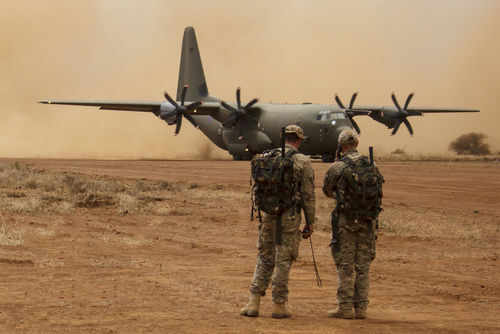
Iran’s Islamic Revolutionary Guard Corps said it launched ballistic missiles and drones at US military aircraft and command facilities stationed at Jordanian bases, including Al-Azraq and Prince Hassan. In an official statement carried by Iranian media, the Guards claimed they destroyed “several US refueling aircraft and fighter jets” and caused “serious damage” to other targets. Iranian outlets and spokesmen said the strikes were a direct response to recent American attacks on Iranian sites and assets, framing the move as punishment for US “aggression.”
Iran’s messaging focused on high‑value US assets, naming advanced fighters such as F‑35, F‑15, and F‑16 jets, as well as aerial refueling tankers and MQ‑9 drones, as targets of the attack. Revolutionary Guard sources claimed hangars and a command‑and‑control center at Al‑Azraq Air Base were destroyed by long‑range ballistic missiles. Additional statements described a broader campaign, saying Iranian forces struck 21 American military installations across Jordan and Kuwait, targeting aircraft shelters and communications facilities in a coordinated operation.
Jordan’s Defenses Respond, Damage Claims Remain Unclear
While Iranian officials boasted of major destruction, Jordan told a different story about what happened in its skies. Jordanian military spokesmen reported that air defense systems intercepted and shot down most of the missiles launched from Iran toward Jordanian territory, including those aimed at Al‑Azraq. Early updates from Amman said eight missiles were intercepted with no casualties and no confirmed material damage inside the kingdom. So far, there is no independent confirmation that US aircraft were destroyed on the ground, and American officials have not publicly verified Iran’s claims.
The gap between Iran’s victory narrative and the limited information from Jordan and the United States fits a pattern seen before in this conflict cycle. During past Iranian salvos against bases in Jordan, Kuwait, and Bahrain, Tehran claimed heavy losses for US forces and allies, but follow‑up reporting often showed missiles intercepted or damage confined to minor infrastructure. Analysts tracking the war say Iranian planners blend real strikes with information warfare, using bold claims, dramatic video, and sometimes AI‑enhanced visuals to project strength at home and abroad. For Americans, this means sorting through noise while knowing that even a partially successful strike can still threaten our troops and assets.
Iran’s Strategy: Punish US Allies and Stir Unrest Against American Presence
Iranian leaders are not only targeting hardware; they are also trying to turn local opinion against the United States. In the same statements bragging about destroyed jets and tankers, the Revolutionary Guard urged Jordanians to attack “the interests of the aggressive and anti‑Islamic Americans” in their own country. Tehran has repeatedly fired missiles and drones toward Jordan in recent months while appealing directly to the “Jordanian people” to demand the removal of US bases, including Al‑Azraq and Prince Hassan. This pressure campaign is meant to punish Jordan for hosting American forces and to scare other partners who rely on US security guarantees.
Strategic reports note that Iran’s strikes on Jordan, Kuwait, Bahrain, and Gulf shipping lanes are part of a larger effort to gain leverage over the Strait of Hormuz and regional politics. After US strikes on Iranian territory and coastal facilities, the Guards answered with missile and drone attacks on at least 21 US‑linked targets, from air bases to communications hubs. Policy experts say Tehran wants to raise the cost of American presence, forcing Washington and its allies to either absorb risk or pull back. For a Trump administration that has promised to stand by partners and keep America strong, this campaign is a direct test of resolve.
What This Means for US Security and Conservative Concerns
For conservative Americans, these events highlight several long‑running concerns about national defense, globalism, and the safety of US service members overseas. Iran is openly attacking US forces and bases, trying to drive wedges between Washington and countries like Jordan that depend on American support. At the same time, Tehran’s use of heavy propaganda shows how foreign adversaries exploit confusion to weaken trust in US leadership and sow doubt about our military strength. Strong, clear responses and honest reporting are essential if America is to deter future strikes and protect its people.
As the Trump administration manages this crisis, many patriots will watch closely to see that US forces are defended, allies stand firm, and Iran pays a price for every attack on American targets. The Middle East today is more dangerous because of years of weak responses, mixed messages, and globalist deals that rewarded bad actors instead of stopping them. Now, with missiles flying at bases that host our pilots and aircraft, the stakes are plain: either the United States shows strength and unity, or adversaries will keep pushing, aiming not just at foreign runways but at America’s role as a secure, sovereign, and respected nation.
Sources:
insiderpaper.com, iranintl.com, middleeastmonitor.com, trtworld.com, aninews.in, arabtimesonline.com, economictimes.indiatimes.com, english.news.cn, wanaen.com, youtube.com, aa.com.tr, igsda.org, fdd.org, english.mathrubhumi.com, aljazeera.com