

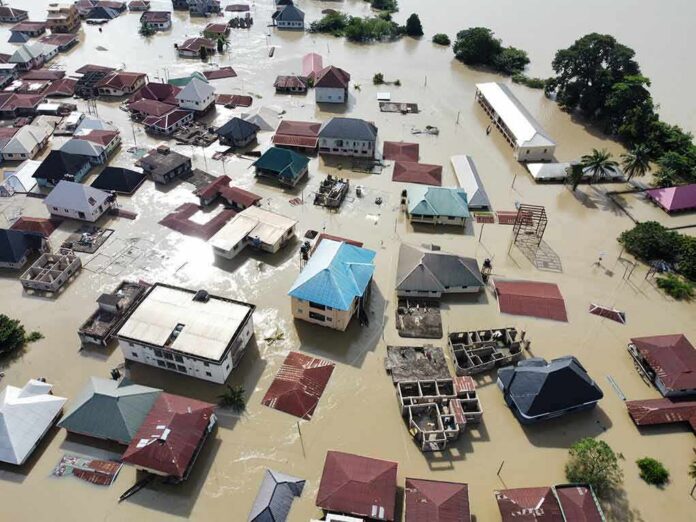
Federal help arrived as Indiana reeled from deadly floods that forced boat rescues, evacuations, and power shutoffs.
Story Snapshot
- Officials reported at least five storm-related deaths across multiple counties.
- President Trump approved emergency aid after Governor Braun’s statewide disaster declaration.
- Indianapolis crews conducted dozens of water rescues and cleared neighborhoods.
- Record river crests and 10–12 inches of rain drove closures, shelters, and warnings.
Confirmed Deaths And Where The Danger Hit
State emergency leaders said at least five people died from flooding and wind across Indiana this week, with fatalities spread across central and northwest counties. Reuters reported a distribution that included Jennings, Lake, Porter, LaPorte, and two deaths in Delaware County, underscoring how widespread the threat was. Officials said some investigations were still active, but the count already showed a grave toll on both drivers and residents caught near fast water.
In one case, crews recovered the body of 18-year-old Matthew Morey from the Mississinewa River after a search that used boats, aircraft, dogs, and drones, highlighting how quickly rivers turned deadly for anyone who entered the water. Flood deaths in the United States often involve vehicles or attempts to cross rushing water, a pattern that emergency managers again warned against as closures and barricades went up across the region.
State Emergency Moves And Federal Support
Governor Mike Braun declared a statewide disaster emergency, mobilized the Indiana National Guard, and asked Washington for help as flooded areas expanded and more storms loomed. President Trump approved an emergency declaration, which opened the door to federal disaster assistance for life safety and infrastructure protection. The Federal Emergency Management Agency (FEMA) uses the Stafford Act to support urgent needs during declared emergencies, supplementing state and local efforts to save lives and protect property.
These steps allowed state and local agencies to request supplies, teams, and funds while they handled rescues and evacuee care. Officials emphasized that federal assistance does not wait for final damage totals because the goal is to cut immediate risk. The declaration also set the stage for later assessments that can fund repairs to roads, public buildings, and critical systems after the rivers fall and inspectors can safely reach hard-hit zones.
Rescues, Evacuations, And Local Warnings
Indianapolis responders carried out large-scale water rescues as streets and creeks overflowed. The Indianapolis Fire Department reported more than 50 water rescues, evacuated nearly 100 people, and pulled dozens of pets from homes, with boats working around 78th Street and Keystone Avenue. City and county officials opened shelters and urged people in flood-prone areas to leave, saying that early evacuation frees up crews to help those truly trapped when waters surge overnight.
Mayors across the metro area told drivers to avoid barricades and closed roads, stressing that even shallow moving water can tip vehicles and sweep them away. Utilities also took protective steps. Citizens Energy Group shut down the White River North Water Treatment Plant to shield equipment and planned to switch supply paths to maintain service. Travel watches and advisories went up in multiple counties as responders blocked sinkholes, monitored levees, and checked bridges for scour damage.
Flood Scale, River Crests, And Why Counts Shift
Weather coverage cited 10 to 12 inches of rain in some locations and a record crest of 23.9 feet on the White River at Noblesville, beating a 1913 high-water mark and pushing water into streets and low-lying homes. Drone footage showed neighborhoods that looked like lakes, with only rooftops and tree lines visible. Those images matched the rescue surge and the rapid rise on river gauges that forced round-the-clock monitoring by fire, police, and public works teams.
🚨 TWO MAJOR DISASTERS HITTING AMERICA RIGHT NOW
Indiana: Devastating floods have killed at least 5 people — including a 4-year-old boy — with several still missing. Nearly a foot of rain in places. Entire neighborhoods underwater along the White River. Rescue crews still… pic.twitter.com/JEcDa3v8ap
— Gunther Eagleman™ (@GuntherEagleman) August 16, 2026
Early numbers for deaths, rescues, and evacuees changed across outlets as the situation evolved, which is common in fast floods where incidents are still unfolding and crews are still counting. The key facts are stable: multiple deaths across several counties, large-scale rescues around Indianapolis, a statewide disaster declaration by Governor Braun, and President Trump’s approval of emergency aid to speed help to the front lines. Officials said reviews of some cases continue as waters recede and access improves.
Sources:
aljazeera.com, indystar.com, reuters.com, cfjctoday.com, nbcnews.com, abcnews.com, x.com