President Trump’s declared White House ban on MS NOW moved from words to action as the outlet’s reporters were turned away at the gates.
Story Snapshot
- MS NOW says its journalists were denied entry to the White House the morning after Trump’s ban post.
- Trump announced he would bar MS NOW, CNN, and Politico for “constant ‘reporting’ FAKE NEWS!”.
- Courts have said the White House has more discretion in tight spaces like the Oval Office, but not to punish viewpoints in general access areas.
- Press passes are physical credentials; revoking them blocks entry at Secret Service checkpoints.
What Happened: From Online Ban to On-the-Ground Denial
President Trump said on Friday that he was banning MS NOW, CNN, and Politico from the White House, citing “constant ‘reporting’ FAKE NEWS!” His post drew swift attention and pushback. By Saturday morning, MS NOW said its journalists were denied entry to the White House grounds. That denial marked the first reported, concrete enforcement against one of the named outlets following the president’s statement online, and it escalated a long, public fight over press access and fairness.
Associated Press coverage and other reports describe MS NOW’s journalists being turned away at the gates. The outlet said it would defend its First Amendment rights after the denial. The White House Correspondents’ Association criticized any ban tied to coverage dislike. The reports do not include a formal suspension notice or a written credential decision for MS NOW, which leaves open questions about the specific rule or process used to deny entry on Saturday morning.
How Access Works: Credentials, Gates, and Practical Control
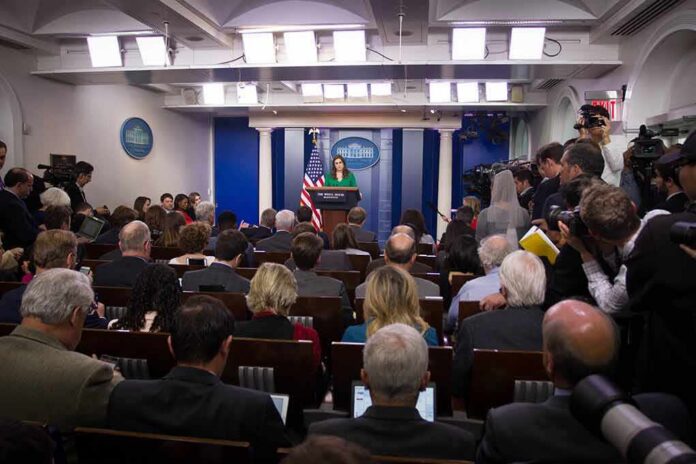
White House access depends on press credentials and security checks. Reporters apply for physical passes that the United States Secret Service uses to control entry. Revoking or suspending those passes stops entry at the gate. This system gives any administration a practical way to implement access decisions, even on short notice. That is why a written ban can quickly become a real barrier at the turnstile if staff tell security to block a named outlet’s credentials.
Outlets often rotate through spaces like the briefing room, the South Lawn, the Oval Office, and Air Force One. Space limits matter. Courts have recognized more White House discretion over very small, controlled areas like the Oval Office and presidential aircraft. That discretion, however, does not erase First Amendment rules against punishing a reporter or outlet for its viewpoint in general access contexts. The legal lines differ by location, purpose, and whether due process steps were followed.
The Legal Backdrop: First Amendment Rules and Recent Fights
Press advocates argue that once the White House opens press facilities, it cannot exclude an outlet because of its coverage. They point to the rule against viewpoint discrimination. The ongoing Associated Press case highlights these limits. A trial judge said the earlier Associated Press restriction likely violated the Constitution, while a divided appeals panel later recognized broader White House discretion in small, nonpublic spaces. Both readings shape how any new denial will be tested.
Saturday’s denial to MS NOW triggers the same questions. Was the refusal limited to a restricted space, or did it block general grounds access? Was a written notice given with reasons and a chance to respond? The reporting so far quotes Trump’s rationale but does not show a specific credential finding against MS NOW. That gap may fuel legal claims that the action punished speech rather than enforced a neutral rule. Expect fast filings and pressure for formal explanations.
Why It Matters to Our Readers: Fair Access and Honest Coverage
Conservatives are tired of slanted coverage and double standards. Many cheer tough treatment of outlets that push narratives they see as false. Still, the Constitution sets guardrails that limit government power over speech. A win that lasts must follow the rules so it cannot be undone by a judge. If the White House bases any denial on clear, neutral standards, it strengthens the case. If the record shows only viewpoint punishment, the courts can step in quickly.
What to Watch Next: Paper Trails, Gate Logs, and Court Moves
Watch for any written credential decision naming who decided, what rule applied, and when it took effect. Look for visitor scans and gate logs that show whether MS NOW was blocked from the grounds or only from restricted spaces. Expect statements from the White House Correspondents’ Association and possible emergency court motions. Those filings will test whether Saturday’s denial followed process or crossed the First Amendment line into retaliation for disfavored reporting.
Sources:
mediaite.com, bbc.com, newsday.com, ap.org