
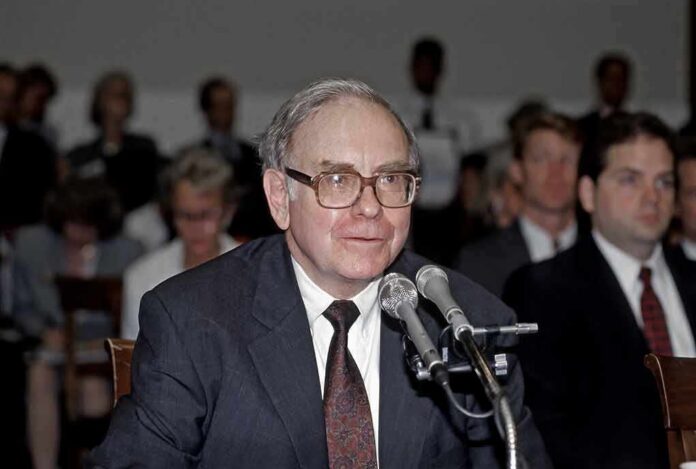
Warren Buffett relinquished Berkshire Hathaway’s chair today, handing the gavel to his son while staying on the board as chairman emeritus.
Story Snapshot
- Berkshire Hathaway named Warren Buffett chairman emeritus and elected Howard G. Buffett as chairman.
- The change is effective immediately and follows the company’s long-stated succession plan.
- Buffett remains a director; Greg Abel continues running operations as chief executive officer.
- Markets will judge whether this is smooth continuity or a deeper shift in control.
What Berkshire Announced Today
Berkshire Hathaway said Warren E. Buffett stepped down as chairman and became chairman emeritus, effective immediately. The board elected Howard G. Buffett, a director since 1993, to serve as the new chairman. The company framed the move as consistent with its long-standing succession plan. Warren Buffett will remain on the board as a director. The announcement confirms the next stage of Berkshire’s leadership transition after earlier changes at the chief executive officer level.
CNBC and other outlets reported that Warren Buffett’s emeritus status keeps him tied to the company while Greg Abel continues as chief executive officer and runs daily operations. That structure separates the role of board chair from the role of chief executive officer, which many corporate governance advocates say can improve oversight. The immediate effect is a clear split: Howard leads the board, Abel leads operations, and Warren remains present in an advisory and board role.
Why “Chairman Emeritus” Signals Continuity
Founder-led firms often use emeritus titles to ease transitions and reduce market shock. Berkshire’s release stressed this is not a rupture but the next step in a known plan. Investors have long tracked succession at Berkshire because Warren Buffett shaped capital allocation for decades. Keeping him on the board as chairman emeritus supports continuity, while elevating a long-serving director to chairman aims to keep the culture stable. The company’s own language underscores that goal of stability.
Major outlets also highlighted the “effective immediately” timing. Fast effect can limit uncertainty, but it also forces markets to weigh the new guard’s authority now. Coverage emphasized that Warren Buffett remains on the board, which suggests his counsel stays in the room even as formal power shifts. That balance tries to honor a legacy while giving the new chair and the chief executive officer space to lead.
What Changes For Shareholders And The Economy
Shareholders get a formal governance reshuffle, not a wholesale strategy reset. Greg Abel has already been overseeing operations and is expected to continue that role. Howard G. Buffett’s long board tenure suggests he understands Berkshire’s decentralized model. The board will still decide capital allocation and oversight, but the chair’s style matters in how agendas are set and how risks are framed. Markets will watch dividends, buybacks, and major deals for signs of any shift.
The top U.S. stories from the past few hours:
🔸 Warren Buffett gave up the chairman title at Berkshire Hathaway as his succession plan advances.
🔸 A bombing at a mosque near police offices in Pakistan killed at least 16 people.
🔸 An F-16 crashed in Michigan after the pilot… pic.twitter.com/xJATZOZwyP
— US News Recap (@USNewsRecap) September 18, 2026
For everyday investors, the headline is historic but the playbook looks familiar. Succession at iconic firms often reads two ways: either disciplined continuity or a real step back by the founder. Berkshire’s own statement pushes the continuity view. Still, leadership tone can shape big choices over time. Clear communication, steady results, and respect for owners’ capital will decide if this transition strengthens trust or sparks doubts in a market already wary of elite decision-making.