

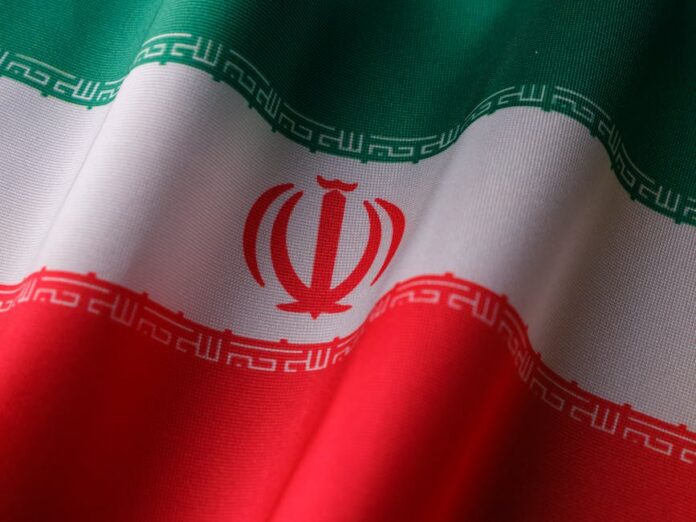
Iran has declared the Strait of Hormuz open for maritime traffic during an ongoing ceasefire, marking a significant shift in regional tensions that directly impacts global oil markets and American economic interests. The strategic waterway, which handles roughly one-fifth of the world’s petroleum traffic, had faced increasing threats during escalating regional conflicts.
Critical Shipping Lane Reopens
The Strait of Hormuz serves as the primary passage between the Persian Gulf and the Gulf of Oman, connecting major oil-producing nations to global markets. Iranian officials announced the decision to maintain open passage through the narrow waterway, which spans just 21 miles at its narrowest point. The move comes as ceasefire negotiations gain momentum in the broader regional conflict that has disrupted energy markets and raised concerns about supply chains affecting American consumers at the pump.
Economic Impact on American Interests
Energy analysts warn that any disruption to Strait of Hormuz traffic sends immediate shockwaves through global oil prices, directly impacting American families already struggling with inflation. The waterway’s strategic importance cannot be overstated—closing it would remove millions of barrels of crude oil from daily global supply. While the United States has increased domestic energy production in recent years, international oil markets remain interconnected, meaning Middle Eastern supply disruptions affect prices at American gas stations within days.
Regional Security Concerns Persist
Despite Iran’s announcement, military strategists caution that the situation remains fluid. The narrow passage has been a flashpoint for decades, with multiple incidents involving commercial vessels and military confrontations. American naval forces maintain a significant presence in the region to protect freedom of navigation, a principle fundamental to international commerce and constitutional protections of free trade. Defense experts emphasize that vigilance remains necessary even during ceasefire periods, as regional powers continue to jockey for position and influence.
What This Means for America
The reopening of the Strait of Hormuz provides temporary relief for energy markets, but underlying tensions persist. American policymakers face ongoing challenges in balancing diplomatic engagement with firm defense of vital national interests. The situation demonstrates how Middle Eastern instability directly affects American household budgets through energy costs, reinforcing the importance of energy independence and strategic petroleum reserves. As ceasefire talks continue, the focus remains on ensuring long-term stability that protects both regional shipping lanes and American economic security.