
A half-signed, half-secret Iran “peace” memo is now shaping global oil flows, even as key details stay hidden from the American people.
Story Snapshot
- Trump says a U.S.–Iran memorandum will reopen the Strait of Hormuz and end the naval blockade so oil can flow again.
- The White House touts a performance-based deal that stops Iran from getting a nuclear weapon and ties relief to verifiable steps.
- Iranian officials and some outlets describe only a cease-fire extension and future nuclear talks, not a full peace treaty.
- The text of the agreement has not been released, leaving room for spin, hardliner sabotage, and media confusion.
Trump’s G7 Message: Oil Flow, Peace Framework, and No Cash Up Front
President Donald Trump arrived at the G7 summit in Europe telling Americans the Iran deal is “largely negotiated” and will reopen the vital Strait of Hormuz so oil can move again.[1] He has described the arrangement as a **memorandum of understanding** on peace, not a formal treaty, but one that ends major combat, lifts the American naval blockade, and lets “ships of the world” start their engines and sail toll free.[3] White House messaging stresses that Iran only gets sanctions relief if it first eliminates enriched nuclear material and accepts verification.[2]
Vice President JD Vance has driven that point home, saying the deal means the strait “immediately reopens” and that Iran will “never develop or procure a nuclear weapon,” framing it as a win for American energy prices and national security.[2] Trump has echoed that, claiming ships are already “starting to move” through the waterway and that oil will flow without new tolls or globalist climate strings attached.[3] For many conservatives, that sounds like the opposite of the Obama-era approach that sent pallets of cash to Tehran while hoping inspectors could keep up.
What the Deal Really Does: Cease-fire Extension, Shipping, and a 60-Day Clock
Behind the headlines, the picture is more mixed. Multiple reports say negotiators agreed on a 60-day memorandum to extend the cease-fire and launch follow-on talks on Iran’s nuclear program.[1] Coverage describes a framework that includes ending “military operations on all fronts,” reopening the Strait of Hormuz, and starting technical talks on enrichment caps and removing highly enriched uranium stockpiles.[3] Axios-sourced details say the memo requires Iran to clear naval mines, stop harassment, and keep the strait open without tolls while the United States lifts its blockade once commercial shipping resumes in earnest.[1]
This structure means the current document is a starting gun, not the finish line. CBS reporting calls it a framework that sets short-run steps now and pushes “everything concerning the nuclear program” into negotiations during that 60-day window, not a full enforcement regime already locked in.[3] Analysts also note that each side is selling its own version. The United States highlights toll-free passage and strict nuclear conditions, while Iranian media has talked up access to some frozen assets and the chance to charge “service fees” in the waterway later on.[1] That gap should matter to any American who remembers how slippery language around the 2015 nuclear deal became.
Iran’s Mixed Signals and the Problem of Secret Text
Iranian officials have added to the confusion by pushing back on parts of the American story. One senior spokesman told state media that nuclear issues are “not part of current negotiations,” saying the immediate focus is only on ending the war and dealing with the strait.[1] CBS analysis echoes that tension, noting some sources characterize the arrangement as “not even really a deal,” but more like a cease-fire extension and limited shipping provisions while nuclear questions wait for later.[3] That undercuts the idea that a complete, enforceable nuclear settlement is already in force.
Adding to the unease, the actual text of the signed memorandum has not been released publicly.[6] Commentators at the G7 say an electronically signed document exists but remains undisclosed, leaving reporters to rely on competing leaks and talking points.[6] Without the fine print on inspections, snapback penalties, or what happens if Iran cheats, critics can easily claim the agreement is more spin than substance. At the same time, supporters must ask for patience while verification plans and mine-clearing operations roll out. Either way, withholding the text feeds the very distrust conservatives have had for secret side deals and backroom diplomacy.
Is the Strait of Hormuz Really Open—and What Comes Next?
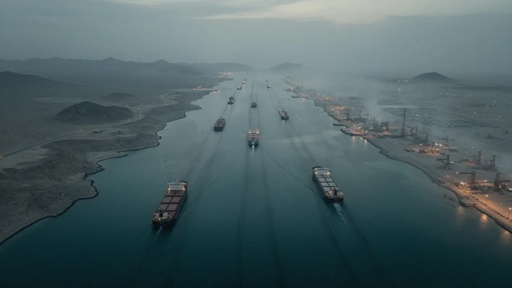
On the crucial question of whether the Strait of Hormuz is truly open, evidence points to progress, not full normal traffic yet. Fox-linked coverage cites administration claims that ships are already moving and notes falling oil prices and rising tanker activity.[2] But other reporting says shipping may take months to fully normalize because of backlogs and lingering security risks in the narrow channel.[2] Separate energy-market analysis has found that, at one point, only a handful of largely Iran-linked vessels were transiting, which is a long way from a fully open, neutral waterway.
🚨BREAKING:
SHIPS ARE SURGING through the Strait of Hormuz, President Trump confirmsPrepare for GAS to PLUNGE! 🔥
"Ships are starting to move, many loaded up with Oil, out of the Strait of Hormuz. They are going along the Southern “Highway,” which is totally safe, secure, pic.twitter.com/Gj0k3P4uNR
— Alex vese (@Jakeclever74) June 15, 2026
For constitutional conservatives, the stakes go beyond gas prices. A performance-based deal that truly blocks an Iranian bomb, keeps American boots out of another endless Middle East occupation, and restores free navigation without secret payoffs would mark a sharp break from the old globalist model. But the split narrative, the lack of a public text, and Tehran’s own contradictions show why Congress, watchdogs, and voters must demand hard proof: clear inspection terms, real snapback triggers, and transparent orders that mines are cleared and the blockade is lifted only when Iran keeps its word.
Sources:
[1] YouTube – Trump outlines Iran deal details at G7 summit
[2] Web – Trump says a deal with Iran and opening of Strait of Hormuz … – WFTV
[3] Web – Trump says a deal with Iran and opening of Strait of Hormuz … – WDRB
[6] YouTube – Trump ‘ACCEPTS DEFEAT’ In Hormuz War; ‘Ships Can Head Home’: Iran’s …