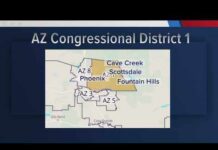

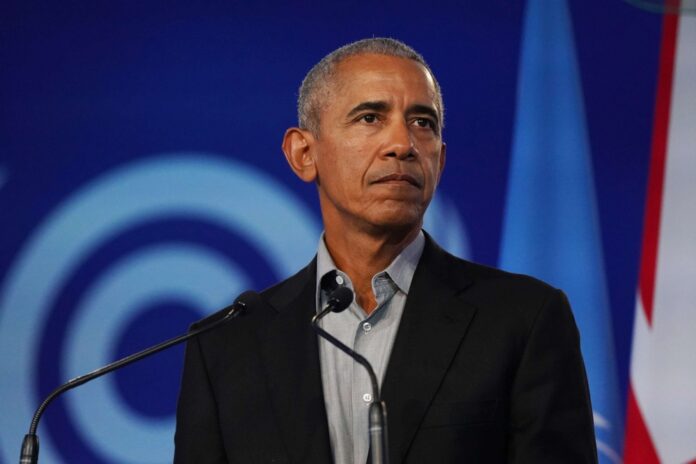
Former President Barack Obama faces sharp criticism for endorsing a controversial Virginia redistricting map that critics claim amounts to partisan gerrymandering designed to entrench Democratic power in the House of Representatives.
Obama’s Reputation Under Fire
James Gilmore, who served as Virginia’s Republican governor from 1998 to 2002, appeared on the “Wake Up America” program to deliver pointed criticism of Obama’s role in supporting Virginia’s new congressional map. Gilmore warned that the former president is “staining his reputation” by backing what Republicans characterize as a blatant partisan gerrymander. The former governor’s remarks underscore growing frustration among conservatives who see Obama’s involvement as hypocritical given his past rhetoric about fair elections and democratic principles. This controversy emerges as Virginia’s swing-state status makes redistricting particularly consequential for national House control.
Virginia’s Redistricting Battle
Following the 2020 Census, Virginia’s Democratic-controlled General Assembly redrew congressional district lines in 2021-2022, creating maps that Republicans argue unfairly favor Democratic candidates. This represents a reversal from the previous decade when Republican-drawn maps faced legal challenges and court intervention for racial gerrymandering. Democrats gained control of Virginia’s state government in 2021, giving them the power to reshape districts for the first time in years. The new maps allegedly create safer seats for Democratic incumbents while making it harder for Republican challengers to win competitive races across the commonwealth.
Pattern of Political Maneuvering
Obama’s support for Democratic redistricting efforts extends beyond Virginia through his involvement with organizations focused on influencing the map-drawing process nationwide. His endorsement carries significant weight given his continued influence within the Democratic Party and his national stature as a former two-term president. However, this activism contradicts the image Obama cultivated during his presidency as someone above partisan political manipulation. Gilmore has previously criticized Obama on other policy matters, including testimony before the Joint Economic Committee in 2013 where he faulted the administration for lacking bold economic programs on growth and taxes.
Eroding Trust in Elections
The redistricting controversy in Virginia reflects a broader national crisis of confidence in electoral systems that affects Americans across the political spectrum. When party-controlled legislatures draw district lines to benefit their own candidates, voters rightfully question whether their representation truly reflects the will of the people or merely the calculations of political operatives. This manipulation by both parties—depending on who holds power—reinforces public perception that elected officials prioritize keeping their jobs over serving constituents. The involvement of high-profile figures like Obama in these efforts only deepens cynicism about whether political elites respect democratic principles or simply exploit them when advantageous.
Long-Term Electoral Consequences
The immediate impact of Virginia’s redistricting includes potential court challenges mirroring previous legal battles over gerrymandered maps in the state. Republican candidates will face steeper odds in districts drawn to favor Democrats, potentially affecting the narrow balance of power in the House of Representatives. Long-term, the precedent set by these maps will influence redistricting battles following the 2030 Census. Virginia voters may find their representation diluted regardless of their political affiliation, as gerrymandering inherently reduces electoral competitiveness and accountability. The controversy also benefits conservative media outlets like “Wake Up America” that highlight examples of Democratic political manipulation to their audiences frustrated with establishment tactics.
Sources:
James Gilmore Testimony – Joint Economic Committee