
A routine traffic stop on a Milwaukee interstate turned into a tense clash over trust, judgment, and power when Tony Romo asked a deputy, “Because I’m coming from a golf course, you think I’m drunk?”
Story Snapshot
- Former NFL quarterback Tony Romo was stopped on Interstate 43 and arrested on a first-offense operating while intoxicated charge after reportedly failing field sobriety tests.
- Body camera footage shows Romo insisting he had “zero” drinks, arguing with the deputy, and questioning whether coming from a golf course was enough to suspect him of drunk driving.
- Court records say Romo refused a breath test after the arrest and received a citation, while the district attorney’s office classified the matter as a traffic violation, not a criminal charge.
- The case highlights growing public worries on both the left and right about how much power roadside police judgment should have over an ordinary citizen’s life, especially without clear chemical-test evidence.
What Happened During Tony Romo’s Late-Day Milwaukee Traffic Stop
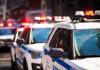
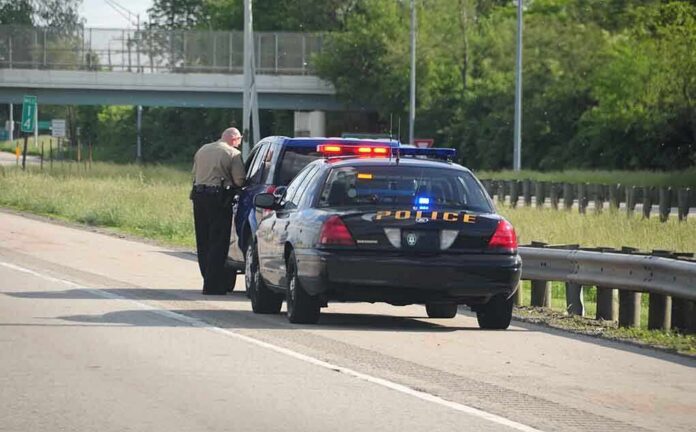
On the evening of July 23, former Dallas Cowboys quarterback and current television analyst Tony Romo was pulled over while driving south on Interstate 43 in Milwaukee County, hours after finishing a rough round at the Wisconsin Amateur Championship golf tournament. Arrest reports say a Milwaukee County deputy stopped him for a traffic violation on the high-rise stretch of I-43 that crosses the Menomonee Valley near downtown. At the roadside, officers decided to move Romo to a safer area to conduct standardized field sobriety tests, which they later wrote he “performed poorly.” Romo was arrested, transported to the Milwaukee County Jail, booked on a first-offense operating while intoxicated charge, and released the same night with a September 21 court date.
Body camera footage released later shows more of the tense interaction that has now gone viral and stirred debate far beyond sports media. In the video, Romo tells the deputy he is coming from a golf course and on his way to see his grandparents, stressing that he had consumed “zero” alcoholic drinks. When the deputy asks him to step out of his vehicle, Romo pushes back and says he wants to call his lawyer first. He then pointedly asks, “Because I’m coming from a golf course, you think I’m drunk?” showing clear frustration that his day on the course was being treated as a clue of guilt.
Officer Observations, Failed Sobriety Tests, and the Missing Breath Number
The deputy’s report and later media coverage offer a very different picture than Romo’s self-defense on camera, and that gap is at the heart of this dispute. The arresting officer says she smelled alcohol on Romo and saw red, glassy eyes, signs police are trained to treat as possible indicators of impairment. After Romo was taken to a station, he completed standardized field sobriety tests, which include tasks like walking heel-to-toe and standing on one leg on command. The report says he “performed poorly” on these tests, giving officers what they viewed as probable cause to cite him for operating while intoxicated, first offense. Yet none of the public reporting so far shows any measured blood alcohol concentration or breath test result; instead, court records say Romo refused a chemical test after the arrest and received a separate citation for that refusal.
That missing number matters because it turns this case into a classic example of a broader problem many Americans worry about, often across party lines. In drunk-driving law, police do not need a breath or blood number to arrest; they only need enough probable cause based on driving behavior, physical signs, and field test performance. But for regular citizens, it can feel deeply unfair when their fate depends almost entirely on one officer’s judgment of how they walked, talked, or looked after a long day, especially when they insist they had nothing to drink. Romo’s refusal to blow into a machine will be used against him in court, yet many lawyers publicly advise clients not to take those tests, which leaves citizens stuck between legal advice and a system that punishes that choice.
From Sports Story to Deeper Questions About Power, Class, and Trust
Romo’s arrest came after a long, frustrating golf day, where he shot 35-over par across the Wisconsin Amateur Championship and earned just $60, a detail many outlets highlighted almost for sport. He is not just any driver; he is a wealthy, famous athlete who can afford high-priced lawyers and who will likely keep his television job, even if he pays a fine and loses his license for a time. That contrast touches a growing anger shared by many conservatives and liberals who feel that elites, whether in politics, media, or sports, still manage to land on their feet while average people face harsh, life-changing results for similar arrests. At the same time, the way this story spread – through quick-hit sports sites, tabloid-style headlines, and clip-driven social media – shows how fast an arrest report can harden into a public verdict without full evidence.
Funny how Tony Romo got an OUI for nothing but Kyle Shanahan is injured and caused an actual accident. Was Kyle Sober? The NFL Man.
— Jordan Grow (@JordanGrow17) July 29, 2026
For people already mistrustful of government and what they call the “deep state,” this case brings up familiar worries, even if they will never meet Tony Romo. Many ask: if a famous quarterback can be cuffed, moved off a bridge, and told he smells like alcohol based mainly on how he looks after golf, what happens to a regular worker coming home tired from a late shift? Others, often victims of drunk drivers or families who have lost loved ones, see the same video and wonder whether police should have even more power to act fast when they suspect impairment. Romo’s sharp question – “Because I’m coming from a golf course, you think I’m drunk?” – sums up that clash: on one side, a citizen resisting being reduced to a stereotype; on the other, an officer carrying broad authority to judge and detain based on training, but not on lab results.
Sources:
facebook.com, nytimes.com, nypost.com, espn.com, usatoday.com, sports.yahoo.com, chron.com, tmj4.com, yardbarker.com, youtube.com