
A public vow that federal agents are skipping Kansas worksite arrests ignited a clash over border enforcement and Big Ag influence.
Story Snapshot
- DHS said Immigration and Customs Enforcement is not doing Kansas worksite operations, while confirming enforcement in the state.
- Cattle and meatpacking groups said federal activity is chilling their workforce and disrupting the beef supply chain.
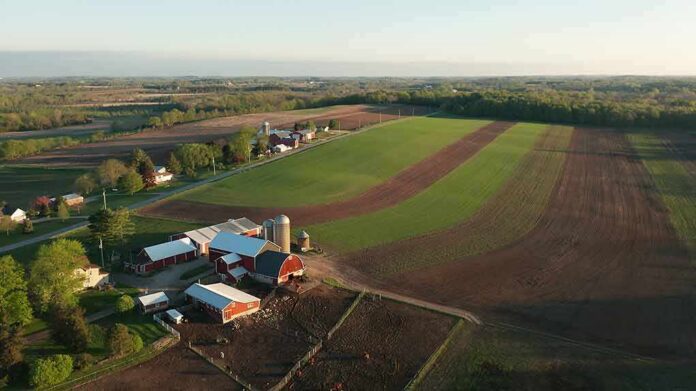
- Reports say agents operated in southwest Kansas near feedlots and plants, prompting worker absences and delays.
- Officials said targets are serious criminals and people with final removal orders, not broad workplace sweeps.
DHS Denies Worksite Raids, Confirms Targeted Enforcement
The Department of Homeland Security said Immigration and Customs Enforcement is not conducting worksite operations in Kansas. The agency said officers are targeting violent offenders and people with final removal orders. The statement came after days of reports about federal activity in southwest Kansas. The area includes feedlots, meatpacking plants, and related support yards. The department’s position rejects claims of broad workplace sweeps. It confirms enforcement is underway but narrowed to high-priority arrests.
Senator Jerry Moran said Secretary Markwayne Mullin assured him federal warrants focused on people tied to criminal charges. Moran said he remained in contact with local law enforcement while the operation unfolded. His statement aligned with the department’s claim of targeted arrests. It also addressed community fears over random stops or plant raids. The message aimed to calm residents and businesses and to stress public safety as the goal of the effort.
Beef Industry Warns Of A “Chilling Effect” On Workers
The Kansas Livestock Association and allied cattle groups said the federal presence discouraged employees from showing up. They warned of a “massive chilling effect” that could slow cattle movements and delay processing. They said feedlots, dairies, processors, and transport hubs felt strain. The groups asked for clearer communication from federal leaders. They argued that uncertainty was disrupting critical rural businesses and could lead to higher consumer prices down the line.
Local and national outlets reported worker absences and schedule delays at plants. Schools in southwest Kansas issued alerts as families reacted to news of federal officers nearby. Industry leaders said they received multiple calls from members facing labor gaps after agents were seen in their communities. These accounts described ripple effects across the beef supply chain. The reporting remained clear that the department denied any worksite raid activity in the state.
What Happened On The Ground In Southwest Kansas
Reuters reported that agents fanned out across southwest Kansas during the week of the operation. Community leaders and local officials said the enforcement activity affected the beef industry in real time. They described delays and reduced shifts as workers stayed home. The report also included the department’s insistence that officers were not targeting plants as worksites. That tension between presence and purpose is driving much of the public debate.
First it was “targeted enforcement.” That was de facto amnesty with better branding. Now it’s the lobbyist version. Industry complains, and suddenly ICE “isn’t doing worksite operations” in Kansas.
Voters asked for enforcement.
Mullin is serving the groups that need the labor… https://t.co/qTZbOmYh8R
— Gregory K Bovino (@GregoryKBovino) September 26, 2026
Some ranchers and processors said uncertainty alone triggers disruption. Even when officers target criminals, their presence near plants can scare mixed-status families. That leads to missed shifts and cattle backlogs. Conservative readers know this pattern well. When federal messages are unclear, families panic, small towns suffer, and prices climb. Clear, firm enforcement paired with transparency can protect both the rule of law and steady food supply chains.
Accountability Questions And Next Steps
Critics asked whether powerful agriculture groups pushed for limits on plant raids. Public statements from cattle associations showed concern about labor flow. However, the record does not include documents proving a policy carve-out tied to lobby pressure. The department’s strongest quote is a denial of Kansas worksite operations and a focus on criminals. That leaves room for follow-up by Congress and open records requests for arrest logs and directives.
Kansas conservatives want two things at once: strong borders and honest government. The Trump administration’s stated focus on criminals matches those values. But Kansans also deserve clarity when federal badges show up at school drop-offs and plant gates. The fix is sunlight. Release arrest counts by county. Explain locations, warrants, and targets after actions conclude. Show that lawbreakers face justice, while law-abiding families and employers get straight answers.
Why This Matters For Constitutional And Economic Priorities
Border security and equal treatment under the law must stand together. Targeted arrests of violent offenders and fugitives protect communities and honor due process. Avoiding broad, indiscriminate sweeps at workplaces can prevent panic that harms local economies. But mixed messages erode trust. Clear policy keeps agencies within the law, respects the right to work for legal employees, and keeps food prices from rising because of chaos, not enforcement. Transparency is the path to both security and stability.
Sources:
thegatewaypundit.com, kfor.com, audacy.com, ice.gov, msn.com