

First Lady Melania Trump expanded a global children’s coalition with new tech partnerships and 57 participating nations, aiming to equip kids to learn and thrive online.
Story Highlights
- Melania Trump’s Fostering the Future Together adds new technology partnerships during United Nations week.
- Fifty-seven nations engage in the coalition’s next gathering in New York City.
- The White House affirms the mission: help every child flourish in the digital era.
- Global trend shows more coalitions on kids, artificial intelligence, and education.
Coalition Growth Tied to United Nations Week in New York
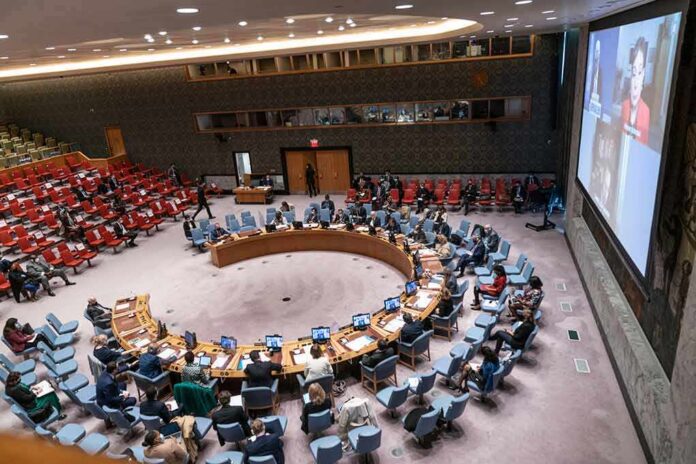
First Lady Melania Trump reconvened Fostering the Future Together alongside United Nations General Assembly events in New York. Her office said 57 member nations would take part, with new partners from the technology sector joining to advance education and child safety goals. Scheduling the session during United Nations week drew global leaders and industry into the same room. The format focused on action items to expand access to tools, connect classrooms, and improve digital literacy across borders.
The initiative highlighted a series of fresh private-sector commitments. Organizers said seven additional technology partnerships were secured on the margins of the meetings, aimed at getting learning platforms, training, and safe-by-design features into more schools and community centers worldwide. Officials described the deals as a path to speed real products and skills into the hands of families and teachers. The approach favors public‑private teamwork instead of new layers of bureaucracy.
White House Mission: Help Every Child Flourish Online
The White House described the coalition’s mission in clear terms last year and reaffirmed it this week: ensure every child can flourish in the digital era through education, innovation, and technology. The coalition launched during the 80th United Nations General Assembly and has since hosted summits drawing dozens of nations and leading technology firms. The stated goals include improving access to devices and connectivity, strengthening online safety, and boosting teacher support so classrooms can use technology well.
First Lady Melania Trump’s team framed the work as practical steps families can see. That includes targeted training for teachers, safer tools for students, and shared standards countries can adopt in their own systems. Organizers said these actions will help close learning gaps, protect children’s data, and expand computer science and artificial intelligence literacy. The coalition structure lets nations adopt what works without giving up control of local classrooms or budgets.
How This Fits a Wider Push on Kids and Artificial Intelligence
Global groups have rushed to set guardrails and boost opportunity for children as artificial intelligence reshapes education. United Nations agencies and national governments launched new alliances this year to center child rights and safety in artificial intelligence policy, reflecting similar goals and timelines to the First Lady’s effort. These coalitions draw governments, companies, and educators to share best practices, reduce risks, and bring proven tools into schools faster.
First Lady Melania Trump poses for a photo with spouses of world leaders at a press conference to announce the expansion of her "Fostering the Future Together" coalition pic.twitter.com/zzw3CUwiw0
— FLOTUS Report (@MELANIAJTRUMP) September 22, 2026
Some advocacy networks have pushed for strict pauses on student‑facing artificial intelligence tools until privacy and safety guardrails are in place. One campaign called for a five‑year moratorium in North American schools, citing data and mental health risks if products lack robust oversight. The First Lady’s coalition takes a different tack. It emphasizes rapid cooperation with clear safety aims so children benefit from technology while leaders harden privacy and security from the start.
Why This Matters for Parents, Teachers, and Taxpayers
Parents want safer, better tools without new red tape. Teachers want training and simple steps that work. Taxpayers want results they can measure. By signing up more countries and companies, Fostering the Future Together increases the chance that best‑in‑class tools reach more classrooms, and that strong safety practices become the norm, not the exception. The coalition’s design keeps decisions with each nation while sharing what works across borders, cutting waste and duplication.
Next Steps and What to Watch
Organizers plan follow‑on events and workstreams after United Nations week to move partnerships from pledges to delivery. Watch for concrete rollouts tied to devices, teacher training modules, student curricula on digital literacy, and built‑in protections for young users. Expect updates on how the 57 participating nations align around safety and data standards, and how private partners adapt products for schools. The measure of success will be real tools in real classrooms improving learning and keeping kids safe.
Sources:
facebook.com, hillheat.com, news.un.org, parispeaceforum.org, transparencycoalition.ai, fairplayforkids.org, repository.gchumanrights.org, i-raise.org