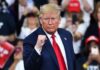

President Trump said Iran asked to keep talking and the United States agreed, while he vowed Tehran will never get a nuclear weapon.
Story Highlights
- Trump confirmed the United States will continue talks after Iran requested more negotiations.
- The signed memorandum of understanding sets terms to end hostilities and reopen Hormuz, with further talks on nuclear issues ahead.
- Critics say the framework grants Iran early economic relief while postponing hard nuclear concessions.
- The White House says the approach keeps U.S. leverage and blocks any path to an Iranian nuclear weapon.
Trump Signals Continued Talks Under Firm Red Lines
President Trump said on July 10 that Iran asked to continue negotiations and that the United States agreed, even as he stressed the earlier ceasefire had ended. In April, Trump also said Iran “wants to make a deal” and pledged not to accept any agreement that lets Tehran obtain a nuclear weapon. These statements show a two-track approach: keep pressure high while leaving a path for a better deal that protects U.S. interests and regional stability.
The White House portrays this as strength with an open door. Officials highlight that any engagement happens on America First terms and that deterrence remains in place. That balance matters to conservative voters who want peace through strength, not endless concessions. Trump’s message is simple and direct: talk if it helps the United States, walk if it endangers our security. That framing keeps leverage on Tehran while signaling a chance for de-escalation.
What The Signed Framework Does And What Comes Next
In June, the United States and Iran signed a memorandum of understanding that lays out steps to end fighting and reopen the Strait of Hormuz to global shipping. The text functions as a bridge, not a final peace. It sets a defined window to negotiate the tough issues, including nuclear constraints and economic steps, while reducing immediate risks at sea. Reuters reported the United States also issued time-limited sanctions waivers after the first talks, tied to the emerging process.
Supporters say this sequencing restores calm, lowers energy shocks, and keeps U.S. leverage as details on the nuclear file get hammered out. They argue a safer waterway protects American families from higher gas prices and shields supply lines. The memo’s structure aims to trade verifiable steps for phased relief, using performance as the key test. That design tries to avoid past mistakes where cash flowed while the hard demands slipped to the side.
Conservative Concerns: Front-Loaded Relief And Delayed Limits
Republican critics warn that the framework looks too soft up front. Reuters and BBC reporting say the plan includes early waivers and access that could leave Tehran better off while the hardest nuclear limits are pushed to later talks. Fox News coverage notes objections that it does not immediately dismantle Iran’s enrichment sites, remove stockpiles, restrict missiles, or curb proxy groups such as Hezbollah. These are fair concerns rooted in hard lessons from past deals.
CNN reports some in Congress want every dollar tied to verified steps and snapback penalties if Tehran cheats. That aligns with common-sense guardrails: no permanent sanctions relief before nuclear rollbacks, intrusive inspections, and clear consequences. The administration counters that benefits are conditioned on performance and that the pathway still blocks any nuclear weapon. The coming weeks will show if talks can lock in strict terms without paying for empty promises.
Why This Matters For Security, Energy, And American Families
Stopping Iran from getting a nuclear weapon remains the core U.S. goal. Trump has said that line is non-negotiable. Keeping the Strait of Hormuz open helps hold down fuel costs that hit working families first. A structured pause in fighting can also protect U.S. troops and allies while talks test Iran’s willingness to comply. But the United States must avoid a trap where Tehran banks early gains and runs out the clock. Verification first, rewards later is the wise order.
For conservative readers, the checklist is clear: demand intrusive inspections, retain snapback tools, target proxy violence, and block missile advances. If Iran balks, the United States should tighten pressure and rally partners. If Iran complies, phased steps can follow. Trump’s stance of engaging on U.S. terms, while keeping the nuclear red line firm, reflects peace through strength. The test now is execution: hold the line, verify everything, and never trade away America’s leverage.
Sources:
insiderpaper.com, aljazeera.com, npr.org, cnn.com, bbc.com, fortune.com, reuters.com, whitehouse.gov