
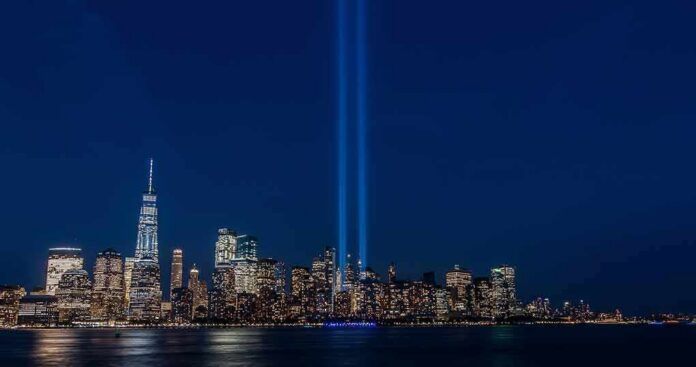
At Ground Zero, a 9/11 widow said leaders “protected the Saudis” as families still wait for answers and justice.
Story Snapshot
- Terry Strada accused Saudi Arabia of aiding hijackers and urged action at the 25-year mark.
- Declassified records show contacts between hijackers and Saudi-linked individuals in the United States.
- Official findings say there is no proof senior Saudi officials funded the attacks.
- Families press active litigation to test the evidence in open court.
What Prompted The Confrontation At Ground Zero
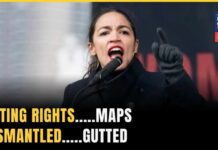
On the 25th anniversary of the attacks, Terry Strada spoke during the name reading at the memorial in New York City. She said families still do not have justice and charged that Saudi Arabia supported a network that helped the hijackers. She said the Kingdom “fomented a rancid culture of anti-American terrorism” and “sent its agents” to aid the plot, and she called on current leaders to act now, not later. Her remarks echoed years of demands from victim families.
Strada leads 9/11 Families United, which has pressed for more documents and a trial. The group says filings in ongoing litigation describe a U.S. support network linked to Saudi individuals who aided two early hijackers. They argue the details are already in the court record and should be tested before a jury. Their push taps a wider public worry that powerful actors get protected while ordinary families face delay and silence.
What The Public Record Actually Shows So Far
Declassified material and past probes point to contacts that raise hard questions. A declassified Federal Bureau of Investigation (FBI) record outlines how two hijackers had help from Saudi-linked associates inside the United States. But the record does not prove that senior Saudi officials were part of the plot or ordered support. Earlier releases also describe contacts between hijackers and people who may be connected to the Saudi government, without establishing top-down direction.
Separate reporting on the 9/11 Commission’s work showed staff confronted Saudi witnesses about aid to two hijackers who lived in Southern California. Witness accounts described shelter, food, and other support supplied by Saudi expatriates. Even so, the commission’s final conclusion has been repeated for years: no evidence showed the Saudi government as an institution or senior Saudi officials funded the attacks. That tension between suggestive links and the official bottom line drives today’s dispute.
How Saudi Arabia And U.S. Officials Respond
The Saudi Embassy states there is no evidence the Saudi government or its officials had prior knowledge of the attacks, planned them, or aided them. It calls claims of Saudi complicity “categorically false” and says past releases only confirm that point. U.S. officials have also said the declassified pages did not change the government’s assessment about funding by the Saudi state or senior Saudi individuals. Those positions remain central in public debate.
🔥🇺🇸 At Ground Zero, 9/11 widow Terry Strada delivered a powerful message: families deserve answers and accountability over alleged Saudi ties to the attacks. She thanked VP Vance and urged him to bring their concerns directly to President Trump. Never forget. 🇺🇸🙏 pic.twitter.com/3Bb6tp83h3
— Whiplash (@mr_Whiplash_) September 11, 2026
This clash reflects a larger pattern in terror cases. Families seek sunlight through civil discovery and a chance to test witnesses in court. Governments and defendants point to legal shields and to a lack of proof of senior-state orders. Congress carved out a path with the 2016 law that narrowed sovereign immunity. Judges have since let parts of the case move forward, keeping the trial track alive. That legal route is where the next real answers will likely appear.
Why This Matters Beyond One Ceremony
Americans across the political spectrum share a growing fear that powerful interests beat accountability. Families see years of delay, partial files, and shifting lines. Conservatives see foreign influence and elite protection. Liberals see unequal justice and secrecy. When a widow must plead at a memorial for basic answers, it signals a trust gap wider than one case. Real closure depends on full records, sworn testimony, and a verdict that rests on evidence, not on status.
What To Watch Next
Watch for court deadlines that force new disclosures. Look for whether the court orders depositions of key witnesses tied to the U.S.-based network. Track any further declassifications that fill gaps on travel, funding, and contacts from 1999 to 2001. Watch how the current administration responds to family requests for more records. And measure any Saudi responses in filings or statements against what new evidence, if any, reaches the public record.
Sources:
twitchy.com, theguardian.com, theatlantic.com, newsmax.com, en.wikipedia.org