

A mother charged with killing her two children asked a Massachusetts judge to throw out the case or let her out on bail, and the court said no while the state still waits on a cause-of-death report.
Story Snapshot
- The judge denied dismissal and denied bail after a defense challenge tied to delays.
- Prosecutors said they are waiting for the medical examiner’s cause-and-manner report.
- The defense argued a four-month stall harms the right to liberty and fair process.
- A grand jury will be recalled once the forensic report is ready.
What The Judge Decided And Why It Matters
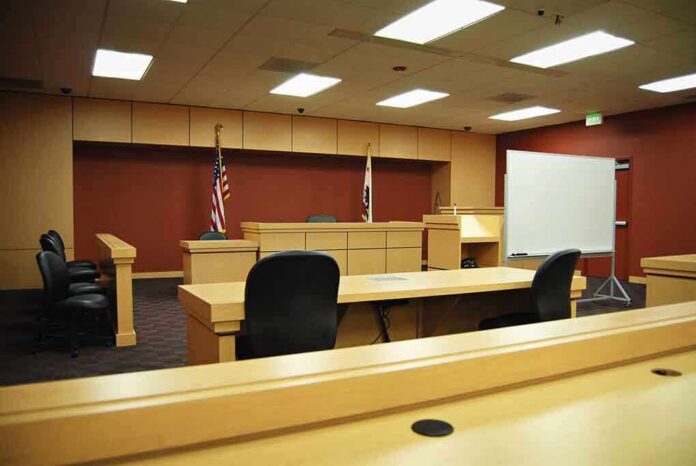
On September 10 in Dedham District Court, defense attorney Joseph Krowski asked the judge to dismiss the case against Janette MacAusland or release her on twenty-five thousand dollars cash bail with conditions. Judge Jeanmarie Carroll denied both requests. Prosecutors said they could not move ahead until the Office of the Chief Medical Examiner finished the cause and manner of death report for the two children, which they expected within weeks.
The decision keeps MacAusland held without bail as the case remains in a holding pattern. The court continued the matter to a later date while the parties wait for the medical examiner’s findings. Prosecutors also said they had already shared significant discovery, like body camera videos from Bennington police, and planned to recall a grand jury once the forensic report arrives. That step would move the case toward indictment in Norfolk Superior Court.
The Defense Argument On Delay And Liberty
Krowski tied his request to what he called an unreasonable delay. He said the state has held MacAusland for months without a final forensic report that sets out how and why the children died. He urged the court to release her on strict terms while the government finishes its work, arguing she should not lose freedom because the system is slow. He also flagged her mental health history and asked prosecutors to rethink the path of the case.
Defense lawyers often raise these points when a case hinges on an outside agency’s report. But Massachusetts law makes dismissal for delay hard to win. Courts look for proof that the government is at fault and that the delay caused real harm to the defense. Delays linked to needed proceedings or accepted by the defense often do not count against the state. Judges say the bar for throwing out charges before trial is high under state rules and cases.
Why The Medical Examiner’s Findings Drive The Timeline
Assistant District Attorney Jennifer Hickman told the court that the cause and manner of death are central facts here. A murder case stands on how the victims died and what evidence shows that. The prosecutor said the grand jury had already been called and would be recalled to hear the updated medical examiner report, which the office expected within two weeks. That schedule shaped the judge’s choice to keep the case moving rather than end it now.
The judge’s ruling fits the pattern in serious cases that depend on forensics. Courts usually wait for the final report before key steps like indictment. If the defense wants release during that wait, judges often demand a strict plan with monitoring and treatment. Even then, judges weigh risk to the public and the strength of the case. Here, the court heard the arguments and chose to hold MacAusland without bail until the report comes in.
What Both Sides Want Next—and What It Says About The System
Prosecutors want the medical examiner to finish so they can present the case to a recalled grand jury and seek an indictment in Norfolk Superior Court. The defense wants relief from open-ended detention without final forensic proof of how the children died. Both goals highlight a system truth that frustrates many people. Big cases can sit for weeks while agencies trade paperwork. Families wait for answers. Defendants wait in cells. Trust in the process suffers.
🚨A Massachusetts mother accused of killing her two young children faces two counts of first-degree murder after prosecutors say she confessed to strangling them before fleeing to Vermont.
Janette MacAusland, 49, of Wellesley, was taken into custody after arriving unexpectedly… pic.twitter.com/fxKQrYwzPY
— Amy Leigh (@IAmyLeigh) September 11, 2026
Readers across the political spectrum see a common problem. When life and liberty are on the line, delays feel like denial of justice. Many believe the government can move fast when it wants to, but moves slow when regular people need answers. This case shows how a single missing report can stall the machine. The judge kept the case alive and kept MacAusland jailed. The next turn hinges on a lab, a signature, and a timeline the court cannot control.
Sources:
dailymail.com, bostonglobe.com, youtube.com, serpalaw.com