

As Iranian attacks intensify, the United States is quietly pulling troops and air defenses out of northern Iraq, raising hard questions about who really benefits when Washington retreats from yet another unstable battlefield.
Story Snapshot
- The United States is withdrawing troops and Patriot missile batteries from the Erbil area in northern Iraq amid growing Iranian attacks.
- The move follows earlier decisions to leave major bases like al-Asad in western Iraq and shift remaining forces into the Kurdish region.
- Officials say the drawdown is part of an agreed timeline to end the coalition mission against the Islamic State group and reduce exposure to Iranian strikes.
- Analysts warn that each withdrawal from Iraq can both protect U.S. forces and open space for Iran and extremists to gain more influence.
What Is Happening in Northern Iraq Right Now
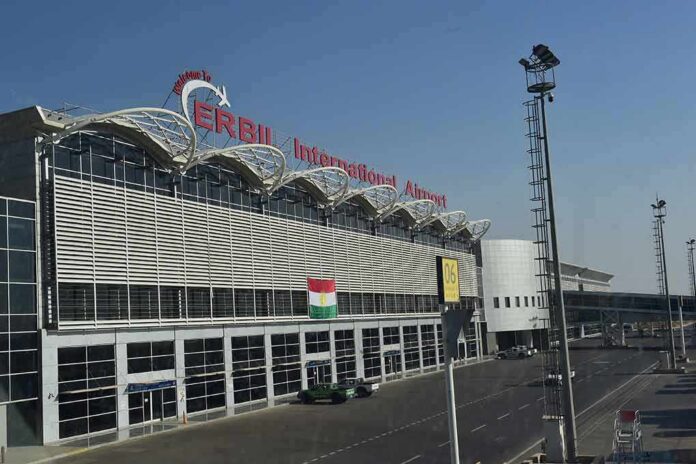
Regional reports say the United States has started to draw down its last remaining forces near Erbil’s airport in the Kurdistan region of Iraq. These troops include air defense units with Patriot missile batteries, brought in to protect against drones and missiles fired by Iran and Iran-backed groups. The heavy equipment pullout began recently and is still underway, because moving missile systems and support gear takes time and careful planning. Local sources describe the process as steady, not rushed, suggesting a planned move rather than a panic retreat.
American and Iraqi officials had already agreed that the broader coalition mission against the Islamic State group would wind down by 2026. Under that plan, forces left long-standing bases like al-Asad Air Base and Baghdad International Airport, then shifted many remaining troops to Harir base near Erbil in the Kurdish north. Iraq’s government later announced that U.S. forces had completed their withdrawal from bases in federal Iraqi territory, while still staying at Harir in Kurdistan. The new pullback from Erbil now goes a step further, shrinking even that northern footprint.
Why The United States Says It Is Leaving These Positions
American officials have framed the drawdown as part of a two-phase transition agreed with Baghdad, meant to end coalition combat operations and turn the relationship into a more normal security partnership. The first phase reduced U.S. troop numbers by about 20 percent and removed forces from some long-used bases, which were handed over to Iraqi security forces. Regional officials now describe the Erbil pullout as “routine” and in line with a September 30 deadline to withdraw all remaining U.S. forces from Iraq that was agreed with the Iraqi government. In public, both sides are trying to show this is a controlled, cooperative process, not a sudden escape under fire.
Behind the scenes, rising danger clearly plays a role. Al-Asad and other Iraqi bases have been hit many times by Iranian missiles and militia rockets over the years. The Kurdish capital Erbil, home to a U.S. base and consulate, has also been targeted by Iran-backed groups using drones. Analysts at research groups like the RAND Corporation note that U.S. withdrawals often mix political agreements with force-protection needs: pulling troops away from exposed sites lowers the chance of casualties but can also reduce U.S. leverage and visibility in Iraq. That tension lies at the heart of the current move away from northern Iraq.
What This Means for Iran, Terror Groups, and Ordinary Iraqis
Experts warn that any large U.S. exit from Iraq affects more than just American safety. Studies on past drawdowns found that earlier U.S. withdrawals helped create space for the Islamic State group to rebuild and launch new campaigns. More recent analysis argues that a major reduction in U.S. troops will make it harder for Washington to counter growing Iranian influence inside Iraq and to respond quickly if extremists surge again. Supporters of leaving Iraq say the original mission is long over and that the United States should not stay stuck in endless wars, but even they admit there are risks if there is no strong plan for what comes next.
US Withdraws Troops, Patriot Batteries From Northern Iraq Amid Iranian Attacks
— 🇮🇳 अमित श्रीवास्तव 🇮🇳 (@amitshriv2805) August 1, 2026
For many Americans, both conservative and liberal, this latest move fits a troubling pattern. They see a federal government that sends troops into danger for years, then pulls back without clear victory, while ordinary families pay the price in blood, taxes, and higher energy costs tied to Middle East turmoil. Some worry that stepping back from places like northern Iraq mainly helps powerful players such as Iran and militant groups, not regular citizens on any side. Others fear the “deep state” will simply shift the same fights to new locations, with little public debate. What is clear is that the U.S. drawdown from northern Iraq is not just about moving soldiers and missiles; it is another sign of a system that many feel is failing to give Americans or Iraqis lasting security, stability, or a fair shot at the peace they were promised.
Sources:
nypost.com, stripes.com, en.wikipedia.org, apnews.com, timesofisrael.com, wsj.com, washingtonpost.com, standtogether.org, youtube.com, bbc.com, inss.org.il, rand.org, files.ethz.ch