
Cracker Barrel’s failed push to “modernize” its down-home image has now cost its chief executive her job, sharpening a national fight over who really owns America’s legacy brands.
Story Snapshot
- Cracker Barrel CEO Julie Felss Masino will step down after a firestorm over a $700 million rebrand that stripped away nostalgic symbols.
- The overhaul removed the “Old Timer” logo and vintage décor, sparking outrage from loyal diners and criticism from President Trump.
- After intense backlash, the company quickly reversed course, restored its old logo, and halted store remodels.
- Restaurant veteran David Deno will take over as CEO, as the board tries to steady a brand caught between tradition and change.
CEO Exit After Controversial Rebrand
Cracker Barrel announced that Chief Executive Officer Julie Felss Masino will step down as CEO and leave the board on August 10, ending a tenure of less than three years. The company said longtime restaurant executive David Deno, who previously led Bloomin’ Brands, will take over as chief executive on that same date. Her departure follows a year of turmoil tied to a sweeping rebrand that tried to modernize the chain’s image, menu, and stores but instead ignited a customer revolt.
Julie Felss Masino was hired in 2023 to drive a major turnaround and refresh a business facing weak traffic and dated stores. The plan called for a $700 million overhaul of more than 660 restaurants, including a revamped menu, decluttered dining rooms, and a new look for the brand. Management said the goal was to improve the guest experience and attract younger diners, casting the changes as revitalizing rather than abandoning Cracker Barrel’s core identity.
What Changed: Logo, Décor, and the Feel of the Brand
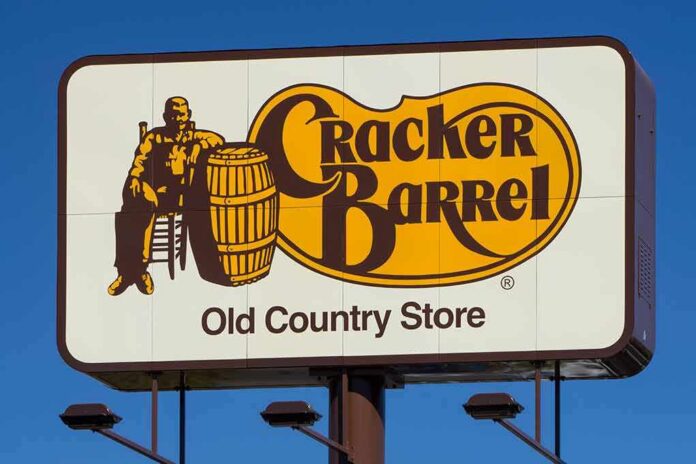
Under Masino’s plan, Cracker Barrel dropped its long-time “Old Timer” logo featuring an older man in overalls leaning on a barrel and removed the words “Old Country Store.” Reporting says she also ordered vintage collectibles and old-fashioned décor taken off the walls, and dining rooms stripped of many trinkets that gave the chain its country-store feel. The interior layout of restaurants shifted away from the crowded general store style that regulars saw as part of the company’s charm and identity.
These moves were framed internally as needed modernization for a legacy brand that risked falling behind changing tastes and demographics. But for many long-time customers, the logo and décor were not small design tweaks; they were symbols of a simpler, more familiar America. The redesign landed in a culture where both conservatives and liberals already worry that powerful elites are remaking institutions without listening to ordinary people, making reaction to the changes far more intense than a normal corporate refresh.
Backlash, Political Firestorm, and Rapid Retreat
The logo rollout and décor changes triggered immediate and severe backlash once customers saw the new look last summer. Devoted diners flooded social media with angry posts, saying the simplified logo looked generic and accusing Cracker Barrel of “dumping its heritage” and going “woke.” Conservative media attacked the redesign, and President Trump publicly criticized the company’s direction and the removal of the beloved “Old Timer” mascot, turning a brand decision into a national political flashpoint.
Within about a week of the uproar, Cracker Barrel reversed course, scrapping the new logo and announcing that the “Old Timer” would stay. The company halted restaurant renovations and posted a statement to customers stressing that “your Old Country Store is here to stay,” admitting the refresh “did not resonate” with loyal guests. Masino later said she felt “fired by America,” even though shareholders voted to keep her, underscoring how deeply the backlash hit both her personally and the company’s reputation.
Shareholder Tension, Board Moves, and What Comes Next
Investor reaction mirrored public anger but also showed divided views on how to handle the crisis. In a key vote last year, about three-quarters of shares backed keeping Masino as CEO and director, while shareholders ousted board member Gilbert Dávila, a marketing and diversity specialist tied to the rebrand strategy. Reports say the fiasco wiped out hundreds of millions in value at one point and left Cracker Barrel expecting weaker store traffic into the 2026 fiscal year.
Cracker Barrel CEO Julie Masino steps down following criticism from consumers over the restaurant’s "modernization" push.
— Boston Avionics (@bostonavionics) July 27, 2026
Now the board is turning to David Deno, a veteran of large restaurant groups, to lead the company through its next phase. His challenge will be to repair trust with customers who felt ignored, while still facing the same pressures that pushed management toward modernization in the first place. The Cracker Barrel episode shows how quickly everyday Americans can push back when they believe distant corporate leaders are rewriting the culture around them, and it adds fuel to the wider belief that the people running major institutions are not listening.
Sources:
facebook.com, nypost.com, wsj.com, independent.co.uk, dailymail.com, abcnews.com, finance.yahoo.com, foxbusiness.com, newsweek.com, apnews.com, people.com