

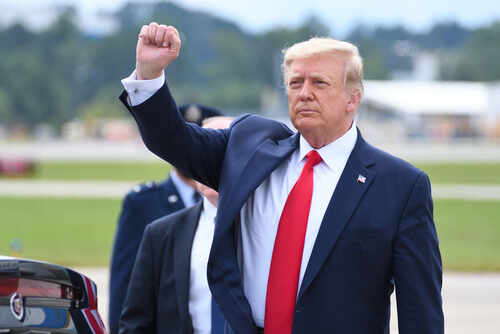
A federal arts panel has approved a $1 gold coin with President Donald Trump’s face, setting up a rare fight over what belongs on U.S. money.
Quick Take
- The Commission of Fine Arts voted to approve a 24-karat commemorative gold coin with Trump’s image.
- The coin is tied to the nation’s 250th anniversary celebration, which gives it clear symbolic weight.
- Reporting says the panel was made up of Trump appointees, which has intensified criticism.
- Federal law and long-standing custom limit living people on currency, so the design is already drawing legal questions.
Panel Approval Puts Trump on a New Coin
The Commission of Fine Arts reviewed the proposed design on March 19 and backed a 24-karat gold commemorative coin for the Semiquincentennial celebration. Several outlets reported that the design features Trump’s image and that the panel voted unanimously to approve it. The move gives the Treasury Department another step toward producing a coin that would mark America’s 250th birthday while placing a living president on a piece of federal money.
Reporting also says the commission was filled with Trump appointees, a detail that has fueled concerns about independence and process. That concern cuts across party lines because the question is not only who is depicted, but who decided he should be. For critics, the approval looks like another case of powerful officials testing the limits of public trust while using government institutions to elevate the president.
Why the Design Is Unusual
The United States has long avoided putting living people on currency, and federal rules reflect that tradition. Still, the legal picture is not simple. One strand of law bans living persons from some forms of currency, while other statutes give the Treasury Department broad authority over coin design. That mix of old bans and newer exceptions is why the Trump coin has become more than a novelty item.
Supporters of the plan can point to the fact that the proposal involves a commemorative coin, not everyday pocket change. That distinction matters because Congress has created special coin programs before, including the Presidential $1 Coin Act and other commemorative issues. Even so, the public reaction shows how fast a coin can become a larger debate about power, history, and how far elected leaders can bend tradition once they control the machinery of government.
What the Coin Says About Washington Today
The design fight lands in a political moment already marked by deep distrust on both sides of the aisle. To Trump supporters, the coin can look like a blunt celebration of the president and the country’s founding milestone. To his critics, it looks like another example of government insiders using federal authority to place the sitting president at the center of national symbols. Either way, the story reflects how even a coin can turn into a test of legitimacy.
For now, the approval means the concept has cleared an important hurdle, but the wider dispute is not over. The remaining issues are practical, legal, and political: whether the Treasury will move forward, whether the design survives further scrutiny, and whether Americans accept a living president on a gold coin at all. In a year framed by the 250th anniversary, the coin has already become a small object carrying a much larger argument.
Sources:
cbsnews.com, abcnews.com, aljazeera.com, nytimes.com, nbcnews.com, youtube.com, thehill.com, southfloridareporter.com, govmint.com, congress.gov