

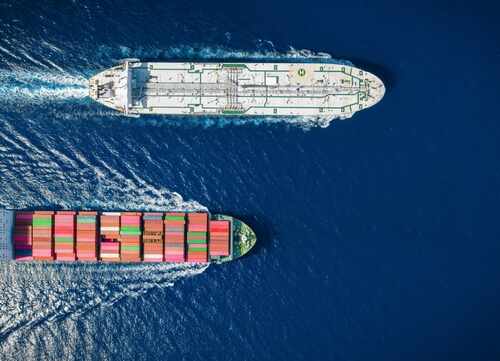
After three nights of U.S. strikes hitting more than 300 Iranian targets, President Trump says the naval blockade will hold to keep the Strait of Hormuz open to lawful trade.
Story Highlights
- U.S. Central Command reported hitting 300+ targets in Iran tied to drones, missiles, and coastal radar.
- Strikes aimed to stop attacks on commercial ships and protect civilian mariners in the Strait of Hormuz.
- Operations hit sites near Qeshm Island, Bandar Abbas, and along Iran’s southern coast.
- The blockade remains in effect as Iran keeps some ability to launch asymmetric attacks.
CENTCOM strikes target Iran’s attack network near Hormuz
U.S. Central Command said American forces struck more than 300 targets across three nights to degrade Iran’s ability to hit commercial vessels and civilian mariners in the Strait of Hormuz. Military statements and media reports described precision strikes on missile and drone storage sites, coastal radar, and air defenses that feed Iran’s maritime attack chain. Locations included Qeshm Island and areas around Bandar Abbas, which sit close to the narrow shipping lane used by much of the world’s oil flow. The Pentagon framed the action as defensive and proportional.
Officials said the goal is simple: stop Iran from threatening global shipping while keeping U.S. and allied sailors safe. Defense sources said aircraft and other assets hit nodes that support one-way attack drones and anti-ship missiles near the coast. Reporters on the ground and open-source tracking noted disrupted coastal sensors and damaged fast-attack craft that Iran uses to harass ships. The strikes follow repeated Iranian attacks on tankers and cargo vessels, which Washington called unjustified aggression against civilian shipping.
Trump reaffirms the blockade to protect trade and deter aggression
President Trump has tied the renewed blockade to a clear mission: keep the sea lane open to lawful traffic and deny Iran the tools to target it. The administration argues a firm blockade is necessary because Iran used drones, mines, and small boats to menace ships and drive up energy prices. Earlier in the conflict, U.S. forces sank multiple Iranian minelayers to clear the waterway of hidden threats. The president and military leaders say the current campaign builds on months of actions to strip away Iran’s strike options around the strait.
U.S. officials say the blockade remains lawful and focused on ensuring safe passage through an international chokepoint, not on punishing civilians. They emphasize that the United States is not seeking a wider war, but will respond when Iran hits shipping or targets American forces. News outlets reported that multiple services participated in the latest wave, including the Air Force, Navy, and Marines, reflecting a joint effort tailored for coastal defense targets. The message from Washington is direct: free navigation is non-negotiable.
Iran’s capabilities are degraded, but asymmetric risks remain
Analysts and reporters note that while Iran’s conventional assets have taken heavy damage, Tehran still holds tools for asymmetric harassment, including one-way attack drones and mobile launchers. U.S. officials caution that “degrade” does not mean “eliminate,” which mirrors prior crises in the region. Media briefings said Iran retains some ability to launch drones and missiles, even as command, radar, and production nodes suffer repeated strikes. That is why U.S. commanders continue hitting coastal sensors and launch sites that enable quick ambushes at sea.
This pattern follows earlier phases of the conflict, when Iran used swarms, mines, and fast boats to offset its losses and keep pressure on tankers. The Navy counters that with layered defenses, surveillance, and interdictions under the blockade. The White House insists the new tempo will keep commercial routes open while the United States avoids wasteful, open-ended wars. The administration points to reduced Iranian attack rates after earlier operations as proof the pressure works, even if Iran can still lash out at times.
Why this matters to U.S. families and energy costs
The Strait of Hormuz carries a major share of the world’s oil, so every attack there hits American wallets. When Iran threatens tankers, energy prices jump, and families face higher gas and heating bills. The Trump team says securing the strait now prevents a longer, costlier crisis later. By taking out the radar, drones, and launch sites that enable ambushes, U.S. forces aim to keep ships moving and stop price spikes. That protects jobs, retirement accounts, and family budgets tied to steady energy flows.
TRUMP: “The Strait of Hormuz is open and will remain open. We’ve significantly degraded Iran’s capabilities. Iran will not get a nuclear weapon. Without the B-2 strikes, they would’ve had one long ago,” the US President said. pic.twitter.com/sBeyptSG3I
— Subodh Kumar (@kumarsubodh_) July 14, 2026
For conservatives, the stakes also include national strength and the safety of our sailors. American policy demands free navigation and rejects regimes that bully trade routes. The strikes and blockade send that message with force. The administration says it will keep pressure on Iran’s attack network, measure success by open sea lanes, and stop when security is stable. Until then, the order stands: protect ships, defend our people, and hold the line at Hormuz.
Sources:
youtube.com, npr.org, theguardian.com, aljazeera.com, washingtonpost.com, reuters.com, wsj.com, britannica.com, cnn.com, cfr.org