
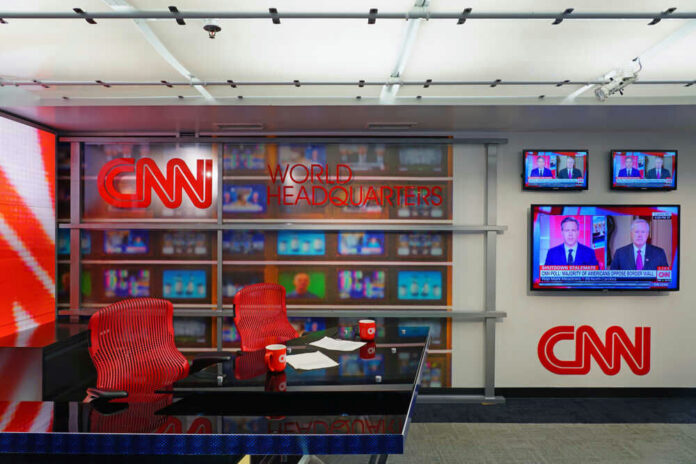
President Trump’s decision to sit down with CNN’s Jake Tapper is a calculated move to drag a long-hostile network back toward a “normal path” of real journalism instead of partisan warfare.
Story Snapshot
- Trump agreed to a future interview with Jake Tapper, saying he wants CNN on a “normal path.”
- The move comes after years of Trump accusing CNN of bias and even “treason” over their coverage.
- Tapper has both clashed with Trump and quietly admitted that media bias can creep into campaign coverage.
- Trump’s outreach tests whether a powerful critic can force a legacy network to treat his voters fairly.
Trump Reaches Into the Lion’s Den
President Donald Trump has agreed to do a future interview with CNN anchor Jake Tapper, telling him on a call that “we’re trying to have CNN go on a normal path.” For years, many conservatives have seen CNN as a symbol of coastal media bias and open hostility toward Trump voters. Trump’s choice to re-engage is not surrender; it is a test. He is pushing one of his loudest critics to show that it can cover his presidency without constant attacks.
Reports of the phone conversation say Trump explicitly agreed to the interview and tied it to his goal of getting CNN back to “normal.” That word matters. Normal, for many Americans, means straight facts, fair questioning, and less sneering at people who love their country, their guns, and their churches. Trump knows CNN still has reach, especially among older viewers. If he can force more honest coverage there, it helps break the monopoly of left-leaning narratives that have warped public debate for decades.
A Long History of Conflict With Tapper and CNN
Trump and Tapper are not strangers. In 2016, Tapper pressed Trump on comments about a judge’s Mexican heritage and bluntly asked him, “Is that not the definition of racism?” Since then, Trump has hammered CNN for what he calls dishonest and hostile reporting, at times accusing the network and The New York Times of “treason” over national security coverage. Tapper pushed back publicly, using a Facebook video to reject the treason claim and defend CNN’s right to report on war and foreign policy.
The clashes continued into Trump’s second term. When Trump criticized CNN’s reporting on United States troops killed in the Iran war, Tapper answered that “it is the news” and that covering those deaths is part of basic journalistic duty. Tapper also dismissed Trump’s complaint that CNN misreported his approval numbers with a blunt “nope,” pointing to network data that showed Republican approval slipping from 48 percent to 35 percent. To many conservatives, this felt less like neutral reporting and more like a network eager to highlight Trump’s weakest numbers while downplaying his policy wins.
Tapper’s Own Words on Media Bias
Despite his strong defenses of CNN, Tapper has at times admitted that media bias exists. In a discussion with veteran journalist Dan Rather, Tapper said Trump’s candidacy put reporters “in an awkward situation” and conceded “you can see a sort of media bias” in how coverage has worked. That small admission matters. It lines up with years of research showing that mainstream outlets lean left, especially on cultural issues and their treatment of right-of-center leaders. Tapper later insisted there is “no bias when it comes to facts and decency,” but those are his standards, not the viewers’.
Tapper has even said that “President Trump doesn’t watch CNN,” suggesting Trump’s bias complaints come from secondhand reports or clips rather than full shows. For many conservative readers, this misses the point. You do not need to watch every hour to see patterns. Academic studies have found real measurable bias in mainstream news, and a long history of friendly treatment of Democrats compared with Republicans. Trump’s base has felt that double standard in how the media covers immigration, guns, faith, and the cost of living. Tapper’s partial admission of bias only confirms what many families already see.
Why This Interview Matters for Conservative America
The promised interview is more than media theater. It comes as Trump’s second-term team is pushing hard on border enforcement, energy production, and rolling back “woke” policies in schools and the military. At the same time, trusted studies show accusations of left-wing bias are far more common than claims of right-wing bias, especially from populist leaders fighting ruling-class media. Trump has used that distrust to build his own communication channels, but CNN still shapes how millions hear about war, spending, and basic rights.
President Trump ended his interview with Jake Tapper by saying he wants to see CNN return to a “normal path.”
Tapper didn’t like the remark one bit.
TAPPER: “Well, I know you don’t want to talk about any other issues out of respect for Lindsey Graham, but we would love to have… pic.twitter.com/Z3XM1ah8qd
— Overton (@overton_news) July 12, 2026
If CNN takes the interview and treats Trump’s agenda fairly, it could signal a shift toward more balanced coverage of his efforts to secure the border, lower energy costs, and defend the Constitution from activist judges. If Tapper uses the chance only to score points and repeat old talking lines, it will prove Trump’s case that legacy media is not just biased, but actively aligned against the people who want limited government and strong families. Either way, conservative viewers should watch closely. This is a rare moment when a sitting president is trying to pull a major network back toward the standards it abandoned years ago.
Sources:
mediaite.com, siriusxm.com, cnnpressroom.blogs.cnn.com, thehill.com, cnn.com, instagram.com, youtube.com, facebook.com