

Twelve Americans died in a Missouri skydiving crash, and early clues point to power loss while federal answers lag.
Story Snapshot
- Authorities confirmed 12 fatalities after a skydiving plane crashed near Butler, Missouri [1].
- Local officials described a likely power-loss event shortly after takeoff [2].
- Federal investigators have not issued a final cause, and key facts remain pending [4].
- Early narratives can harden before the National Transportation Safety Board releases evidence [4].
What Officials Confirmed At The Scene
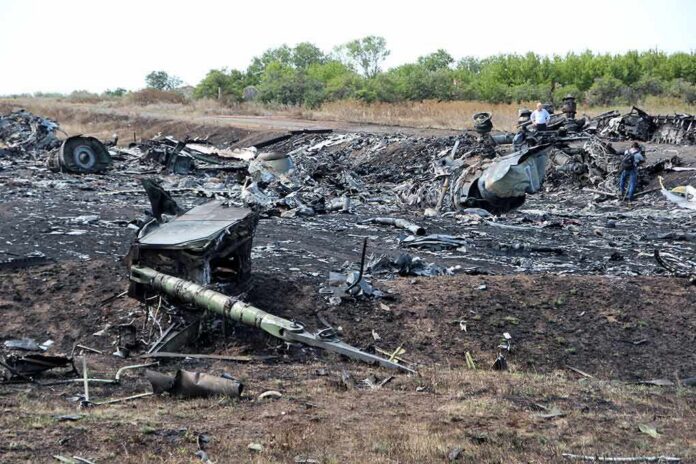
Missouri authorities said a skydiving aircraft crashed near Butler Memorial Airport, killing eleven skydivers and the pilot. Reports put the crash on a clear Sunday late morning, moments after takeoff from the small-town field south of Kansas City. Local briefings identified all onboard as part of a skydiving operation, and responders found no sign that anyone exited the aircraft before impact. Video from the scene showed wreckage and a heavy response by law enforcement and fire crews [1].
Aircraft operator statements and state briefings aligned on the tragic count: twelve lives lost. Local coverage described the takeoff, an initial turn, and a rapid descent nearby. Reporters relayed that families were being notified and that the crash site was secured for federal review. Crews guarded the perimeter to preserve evidence. Officials said the focus was on dignity for the victims, safety for responders, and a clean handoff to federal investigators for the technical work ahead [3].
Early Working Theory: Possible Power Loss And Stall
A local airport and emergency official described a likely loss of power as the plane climbed out. That kind of event can rob a single‑engine aircraft of lift during a low‑altitude turn, raising stall risk. The described sequence—takeoff, left turn, and drop—matches a classic danger zone in light aircraft. These details are consistent with what media carried from the scene, where the official stressed it as an informed opinion, not a final cause, pending federal findings [2].
Skydiving operations add unique load and balance factors. Weight, fuel, and density altitude affect climb performance. A power sag at low height gives pilots seconds, not minutes, to respond. Training calls for lowering the nose to keep flying speed, but that also costs precious altitude. If the engine sputters or quits during a bank, the margin is thin. That is why investigators study engine condition, propeller marks, maintenance logs, and performance data before naming any single cause [2].
What The Federal Investigation Will Decide
The National Transportation Safety Board and the Federal Aviation Administration will analyze wreckage, engine components, maintenance records, weight and balance, and weather. They will gather witness statements and any electronic data. The agencies have not issued a probable cause. Public reports said many specifics were still unknown in the early hours. That means any theory—power loss, stall, or pilot response—remains unproven until federal engineers release the facts and their final report [4].
🚨😭 12 killed in plane crash near Butler, Missouri. A skydiving plane went down shortly after takeoff from Butler Memorial Airport this morning, with all 11 skydivers and the pilot perishing in the crash.
Our deepest condolences go out to all the families and loved ones… pic.twitter.com/mU8EdLrmrZ
— The Watchdog (@TheWatchdoggs) June 14, 2026
Early media clips help inform the public, but they can set a story in wet cement. A first guess can feel like the answer, even when the lab work is not done. That pattern shows up often in crash coverage. Responsible reporting notes what is known, what is opinion, and what remains open. In this case, the record confirms the who, where, when, and tragic toll. The why is still a matter for the National Transportation Safety Board to settle with evidence [4].
Accountability, Transparency, And Respect For The Families
Families deserve clear facts, not spin. The public deserves a straight record and real accountability. That means timely updates, a full docket, and a readable probable cause. It also means patience while experts do the hard work. Law enforcement at the scene did its job securing the site and confirming the toll. Now the federal investigators must publish the data trail so everyone can see what failed, how the crew responded, and what fixes could prevent the next tragedy [1].
What Readers Should Watch Next
Watch for the National Transportation Safety Board factual report, then the probable cause. Look for findings on engine health, fuel quality, propeller damage, and control positions. Check whether weight and balance were within limits and whether performance matched the aircraft’s charted climb. See if training and procedures met standards. These items will show whether an engine issue, a stall, or another factor drove the crash. Until then, treat early theories as signals, not verdicts [4].
Sources:
[1] YouTube – Plane crash in Missouri kills 12: Skydivers and pilot die after …
[2] YouTube – 11 skydivers, pilot killed in Missouri plane crash
[3] YouTube – 12 people dead in Missouri skydiving plane crash
[4] YouTube – Video shows plane crash site in Missouri that left 12 dead