
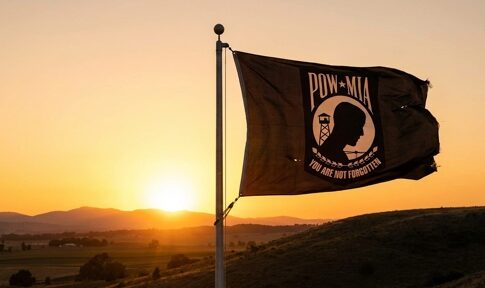
A dedicated Hiroshima survivor who uncovered the tragic deaths of 12 American POWs in the atomic bombing has passed away, leaving a legacy of truth that even government silence couldn’t bury.
Mori’s Survival and Lifelong Mission
Shigeaki Mori survived the Hiroshima atomic bomb at age 8, located 1.5 miles from the hypocenter. The blast threw him into a stream, shielding him from the firestorm. Inside the mushroom cloud, darkness engulfed him so completely he could not see his hands held inches from his face. Decades later, a university professor handed him a list of 12 American airmen shot down over Hiroshima on July 28, 1945. These POWs died unrecognized in the bombing alongside Japanese civilians. Mori vowed to honor them.
Decades of Research Against Official Silence
Mori balanced full-time employment with exhaustive investigations into U.S. and Japanese archives. He wrote letters to American families, unaware for years of their loved ones’ fates. Three years passed before he connected with relatives. Both governments had maintained silence on American POWs in Hiroshima, reflecting Cold War sensitivities. Declassified U.S. documents in the 1970s validated his findings. Mori’s work challenged official narratives, proving one man’s dedication could unearth hidden WWII truths.
Book, Recognition, and Presidential Nod
In 2008, Mori published “The Secret of the American POWs Killed by the Atomic Bomb” in Japanese, earning the Kikuchi Kan Prize. An English translation followed, documenting his 40-plus years of effort. In 2016, Barack Obama, first sitting U.S. president to visit Hiroshima Peace Memorial Park, embraced Mori and referenced a “dozen Americans held prisoner.” This elevated Mori’s grassroots history to international status. His research ensured official U.S. acknowledgment of the POW deaths.
Mori notified bereaved families, providing closure long denied. His philosophy rang clear: research targeted human beings, not enemies. He urged, “War deprives people of everything. We should never repeat the mistake.”
Legacy of Persistence and Reconciliation
Mori’s death on March 14, 2026, at Hiroshima hospital ends an era, 81 years after the bomb. His work permanently altered Hiroshima’s historical record, including American POW casualties. Families gained recognition; U.S.-Japan ties strengthened through shared truth. Independent research like Mori’s sets precedent against government opacity. In Trump’s America, prioritizing military honor and factual history aligns with conservative values of accountability and limited government overreach in narratives.
Mori exemplified how survivors become historians, validating full bombing scope for all victims.
Sources:
Hiroshima survivor who spent decades investigating American POW deaths dies at 88
Hiroshima survivor who spent decades investigating American POW deaths dies at 88
Shigeaki Mori, Hiroshima atomic bomb survivor and historian embraced by Obama, dies at 88
Shigeaki Mori, Hiroshima atomic bomb survivor and historian embraced by Obama, dies at 88
Hiroshima survivor who brought attention to atomic bomb deaths of U.S. POWs dies
Shigeaki Mori, Hiroshima atomic bomb survivor embraced by Obama, dies at 88