
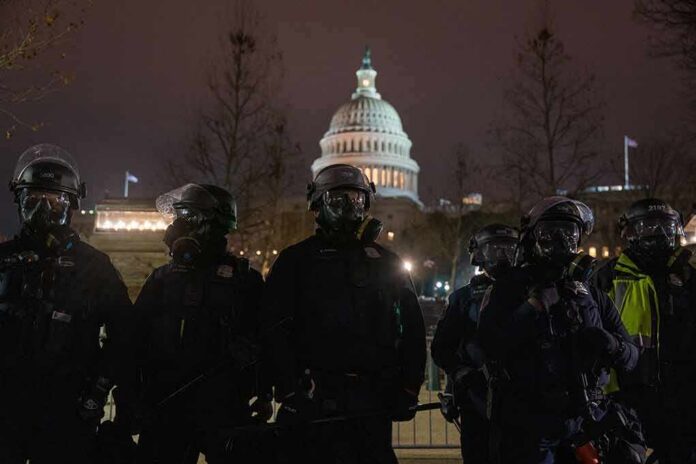
Seven U.S. officials told reporters that Iran discussed a dirty bomb or chemical attack aimed at senior Washington targets, and the government says it is taking it seriously.
Story Snapshot
- U.S. intelligence reportedly flagged Iranian planning that named locations and targets.
- Potential attack options included a radiological “dirty bomb” or a chemical weapon.
- President Trump said the government is “looking into it” and “takes it very seriously”.
- The White House also said there is no credible homeland threat at this time.
What U.S. Officials Say Was Planned
CNN reported that seven U.S. officials described Iranian planning for an attack in Washington. The plans allegedly named locations and targets tied to senior administration officials. The options reportedly included a dirty bomb, which spreads radioactive dust, or a chemical weapon. Reuters and the Times of Israel echoed the claim that the intelligence pointed to specific places, which drove contingency planning across agencies. Officials also debated whether Iran could actually pull it off, given gaps in public evidence.
President Trump, speaking in Manila on November 17, said, “We’re looking into it” and “we take it very seriously.” His comments signaled that the administration is engaged, even as public proof stays classified. At the same time, a White House spokesperson said there is no credible threat to the U.S. homeland. That creates a split message: prepare for the worst, but do not assume an attack is imminent. This balance aims to warn without causing panic.
How Concrete Is the Evidence So Far
The public has not seen the underlying intelligence. The reporting rests on unnamed sources, and no documents, intercepts, or forensic exhibits were released. Al Jazeera noted that the CNN account offered no direct evidence and said the planning aimed to “preserve options,” not to launch an imminent strike. Claims that bomb materials were stashed inside the United States also lack independent verification in open sources. These gaps fuel doubt and partisan spin.
Iran’s government denied the allegation in strong terms. The Foreign Ministry called the claims “baseless” and a fabricated narrative meant to justify hostile actions. Iran’s mission to the United Nations also rejected the story. These denials are on the record, but they do not resolve the core dispute, since the United States has not declassified its evidence. The standoff leaves the public stuck between official warnings and official denials.
Why This Matters Beyond One Headline
The threat, if real, targets more than people; it strikes trust in the system. Americans on the right and left already doubt that leaders level with them. Anonymous leaks, split messages, and no public proof worsen that trust gap. At the same time, Iran-linked plots against U.S. or allied officials have happened before, including a charged case tied to a plan to kill former National Security Advisor John Bolton, which keeps officials on alert.
⚠️Disclaimer! This is publicly available information. This is not intelligence or analysis based upon any intelligence. My intelligence products are not public.
🇺🇸🇮🇷🇮🇱🇹🇷⚓🌍 AJ's Afternoon Briefing, Tuesday, Nov 17: 🇺🇸 Trump warns 🇮🇷 Iran over dirty bomb reports, 🇮🇷 Iranian…
— AJ ✝️🇺🇲 (@AramJustinOcean) November 17, 2026
Clear steps could cool the fear and the noise. A sanitized summary from intelligence leaders could state the confidence level, how many sources, and what corroboration exists, without burning methods. Congress can demand briefings and timelines. Agencies can confirm whether any radiological or chemical materials were found on U.S. soil. These moves would support safety and civil calm. They would also respect a core American value: informed citizens holding power to account.
Sources:
pjmedia.com, reuters.com, rmb.reuters.com, wbrz.com, yahoo.com, aljazeera.com, timesofisrael.com, securitytoday.com