
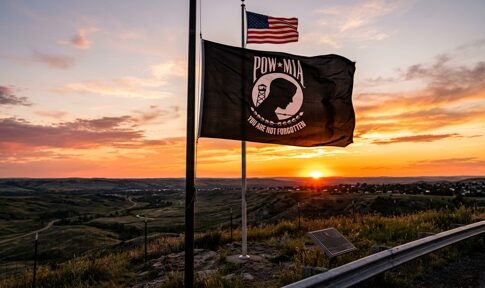
A Japanese survivor of the Hiroshima atomic bomb spent over four decades uncovering a truth both the U.S. and Japanese governments deliberately buried—that 12 American POWs perished in the blast our own nation dropped.
Government Secrecy Buried American Heroes
Twelve U.S. B-29 airmen shot down on July 28, 1945, were held as prisoners of war in Hiroshima when the atomic bomb detonated on August 6, 1945. Both the United States and Japanese governments deliberately concealed their presence to sidestep uncomfortable political questions about Allied casualties from America’s own weapon. Families received no official acknowledgment of how their sons and husbands died, left in bureaucratic limbo while both nations prioritized post-war narratives over truth. This institutional failure to honor fallen servicemen represents the kind of governmental overreach and dishonesty that erodes trust in leadership and dishonors those who serve.
Self-Taught Historian Confronted Official Lies
Shigeaki Mori, who survived the bombing at age 8 located 1.5 miles from the hypocenter, received a list of the 12 airmen from a professor in the 1970s. Working full-time while conducting archival research, Mori spent three years digging through declassified U.S. documents to confirm connections the governments refused to make public. He contacted American families directly, providing closure that military bureaucrats and politicians denied them for three decades. His 2008 book won Japan’s prestigious Kikuchi Kan Prize, validating work that exposed how governments on both sides chose political convenience over honoring the fallen.
Obama Recognition Came Decades Too Late
President Barack Obama became the first sitting U.S. president to visit Hiroshima Peace Memorial Park in 2016, where he referenced the 12 Americans in his speech and embraced Mori publicly. While this gesture provided symbolic validation, it came 71 years after families deserved answers from their own government. The embrace highlighted how a foreign civilian survivor did more to honor American POWs than U.S. officials who possessed the information all along. This delayed acknowledgment underscores persistent problems with government accountability and transparency that continue frustrating Americans seeking truth from their leaders.
Legacy Challenges Government Accountability
Mori’s death on March 14, 2026, closes a remarkable chapter of individual determination triumphing over institutional stonewalling. His work stands as a rebuke to both governments that prioritized image management over honoring military personnel and providing families the dignity of truth. The 40-year quest by a bomb survivor to do what two nations refused—acknowledge American servicemen killed by American action—exposes the depths governments will go to control narratives. For Americans who value transparency and honoring those who serve, Mori’s story reinforces the importance of holding officials accountable and demanding truth regardless of political inconvenience.
Sources:
Hiroshima survivor who spent decades investigating American POW deaths dies at 88 – Army Times
Hiroshima survivor who spent decades investigating American POW deaths dies at 88 – Military Times
Shigeaki Mori, Hiroshima atomic bomb survivor and historian embraced by Obama, dies at 88 – WTOP
Shigeaki Mori, Hiroshima atomic bomb survivor and historian embraced by Obama, dies at 88 – KSAT
Shigeaki Mori dies: Hiroshima atomic bomb survivor embraced by Obama – CBS News