
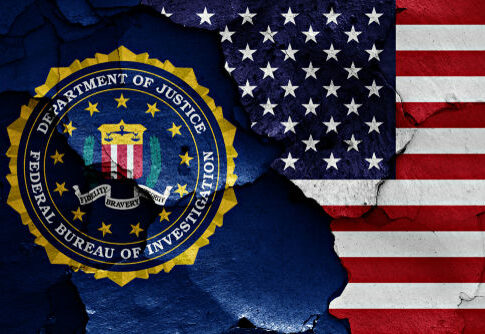
During the turbulent 1960s, some American parents transformed from nurturers into informants, secretly feeding the FBI intelligence about their own rebellious teenagers who dared challenge the status quo.
When Family Dinners Became Intelligence Operations
The newly surfaced documents paint a chilling picture of American family life during one of the nation’s most transformative decades. Parents worried about their children’s involvement in civil rights demonstrations, anti-war protests, and counterculture activities didn’t just ground their teenagers or confiscate car keys. Some picked up the phone and called the FBI. This collaboration represented an unprecedented fusion of parental authority and federal surveillance power, turning kitchen table conversations into intelligence-gathering opportunities. The declassified records expose how deeply state monitoring penetrated the most intimate sphere of American life.
Historian Gregg L. Michel’s research demonstrates that this surveillance apparatus operated with particular intensity across the American South, a region largely overlooked in traditional accounts of 1960s activism. Southern governing authorities viewed progressive activism through an intensely suspicious lens, often labeling even lawful demonstrations as communist-influenced and anti-American. The Johnson administration’s 1968 Omnibus Crime Control and Safe Streets Act created the Law Enforcement Assistance Administration, which funneled federal dollars into local and state police departments. This funding mechanism turbocharged surveillance capabilities, enabling authorities to acquire new monitoring technologies and expand their reach into communities.
The Machinery of Domestic Surveillance
The FBI didn’t operate alone in monitoring America’s rebellious youth. Local police “Red Squads” formed specialized units dedicated to tracking and disrupting leftist organizations and activists. These units received tactical guidance from unexpected sources: U.S. Army Intelligence and the CIA shared counterinsurgency techniques developed for the Vietnam War, adapting them for domestic use against American citizens. The cross-pollination of military surveillance tactics into civilian law enforcement marked a dangerous erosion of boundaries between external security operations and domestic policing. Parents who collaborated with these agencies became grassroots intelligence assets in a sprawling network.
The operational methods employed violated constitutional protections on a systematic scale. Documented tactics included illegal break-ins, unlawful surveillance, planting drugs on targets, and coercing activists into illegal acts to justify arrests. These weren’t isolated incidents but coordinated strategies designed to neutralize legitimate political expression. The targeting extended beyond obvious radical groups to encompass students engaged in civil rights organizing and peaceful anti-war demonstrations. Southern student activists faced particular vulnerability due to regional conservatism and aggressive local authorities empowered by federal resources. The machinery of repression operated with devastating efficiency against young Americans exercising First Amendment rights.
Casualties of State Power
The human cost of these surveillance operations extended far beyond abstract constitutional violations. Targeted students experienced family ruptures that destroyed relationships with parents who had betrayed their trust. School expulsions derailed educational trajectories and career prospects. Arrests created criminal records that followed activists for decades. Some young people found themselves framed for crimes they didn’t commit through evidence fabrication and entrapment schemes. The psychological trauma of discovering parental collaboration with federal authorities created wounds that transcended typical generational conflicts. These weren’t disagreements about curfews or music choices but fundamental betrayals orchestrated by the state.
The surveillance operations succeeded in their immediate objective of suppressing activist movements during a critical period of social change. By creating an atmosphere of suspicion and fear, authorities chilled political participation and fractured organizational networks. The long-term consequences extended beyond individual victims to affect American society’s relationship with government power. The revelation that federal agencies systematically violated citizens’ rights while enlisting family members as informants corrodes the foundation of trust necessary for democratic governance. The precedents established during this era normalized surveillance infrastructure that persisted long after the 1960s ended, embedding expanded monitoring capabilities into American law enforcement.
Historical Reckoning and Modern Implications
The declassification of these records forces a reassessment of 1960s history and its lessons for contemporary America. Michel’s scholarship highlights how traditional narratives have excluded southern student activism from mainstream accounts, obscuring the full scope of government repression during this period. Understanding that parents collaborated with surveillance operations adds a disturbing dimension to our comprehension of how authority consolidates power during periods of social upheaval. The willingness of ordinary citizens to serve as informants against their own children reveals how effectively fear and ideology can override familial bonds.
The story raises profound questions about the appropriate limits of state power and the vulnerability of civil liberties during national stress. When parents view their children’s political activism as threatening enough to justify collaboration with federal surveillance, something fundamental has broken in the social contract. The documented constitutional violations weren’t aberrations but features of a coordinated campaign against citizens engaged in lawful political expression. These historical revelations demand scrutiny of current surveillance capabilities and legal frameworks that may enable similar abuses. The declassified records serve as cautionary evidence of what happens when security concerns trump constitutional protections and when government power penetrates family relationships.