

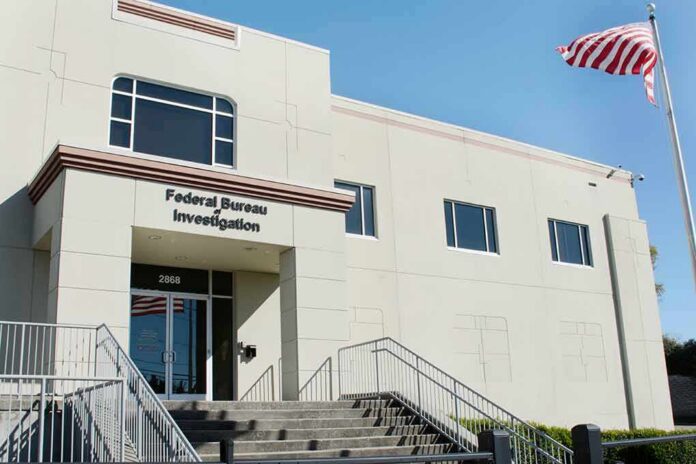
FBI Director Kash Patel used a New York appearance to tout sharp crime-fighting gains, pointing to hundreds of arrests and notable drops in violence backed by new federal data.
Story Snapshot
- Patel highlighted New York–area arrests, weapon recoveries, and drug seizures tied to recent FBI operations.
- Federal data show violent crime fell from 2024 to 2025, including a steep drop in murders.
- Officials linked results to stronger task forces and closer work with local police.
- Experts caution that crime metrics track reported incidents and methods can shape trends.
Patel’s Message In New York: Results, Not Rhetoric
FBI Director Kash Patel spoke on Long Island alongside federal and local partners, stressing measurable results over political talk. Patel amplified a monthly “Summer Heat” recap from FBI New York that cited about 175 arrests, multiple indictments and convictions, over $500,000 in forfeitures, and nearly a dozen weapons recovered in one month. He also pointed to more than 1,700 violent-crime arrests in the region since January 2025, plus major fentanyl and firearms seizures that he says disrupted gang networks.
Patel framed the gains as proof that coordinated policing can push violence down. He credited embedded task force officers and a shift of agents into the field for the faster tempo of arrests and cases. He said this teamwork with state and local departments is “stronger than ever,” noting a network of homeland security task forces that channel resources where crime rises most. The emphasis: target the worst offenders, seize weapons, and keep pressure on groups driving repeat harm.
Federal Numbers Show Broad Declines In Violence
Federal Bureau of Investigation (FBI) preliminary figures show violent crime dropped an estimated 9.3 percent from 2024 to 2025. The FBI also reported an estimated 18.1 percent decline in murder and non-negligent manslaughter over that period. Those federal trends match what local leaders in many cities have reported through early 2026. The Council on Criminal Justice found continued declines across major categories in many urban areas through mid‑2026, reflecting a broad national cool‑down.
The White House and national leaders tied these shifts to a hard focus on violent crime, gangs, and criminal networks. Patel and local police chiefs have highlighted task force deployments, faster case work, and targeted seizures as key drivers. While correlation is not the same as proof, the alignment between stepped‑up operations and lower reported violence has become a central point in official briefings and speeches across the country during 2025 and 2026.
How The FBI Says It Got Here: Teams, Targets, Tempo
Operationally, Patel’s team points to three levers. First, joint teams with local departments allow faster arrests and better intelligence sharing. Second, clear targets keep the focus on gun crime, gangs, and repeat violent offenders. Third, higher case tempo means more dangerous people face charges sooner. Patel says the bureau embedded more officers, shifted agents back to field duty, and surged crime‑fighting resources across hot spots to hold gains and prevent rebounds.
President Trump will join Republican gubernatorial candidate Bruce Blakeman Friday,08/14/26, on a tour of Nassau County’s “state of the art” police facility, Police Academy Center for Training and Intelligence will be visited by President Trump at 3:00 p.m at
9 Endo Blvd.,…— forthepeople (@MimiSchlos70357) August 14, 2026
These choices reflect the FBI’s data posture. The Uniform Crime Reporting system now relies on the National Incident‑Based Reporting System, which captures each crime incident with more detail than older methods. That data helps identify patterns, link crew activity across cases, and steer manpower to the right places faster. Leaders argue that better data, combined with aggressive field work, can keep violence on a downward track into 2027 if resources remain steady.
Why The Numbers Matter—And Their Limits
Official crime statistics help track change, but they do not capture every harm. Research groups warn that these figures depend on reports to police and on how agencies record incidents. Method choices and missing reports can affect the totals that leaders cite in speeches. Analysts urge readers to see declines as real improvements, but also to remember that crime data measure law enforcement response to certain events, not every unsafe moment people face.
What This Means For Voters Tired Of Excuses
For many Americans, the bottom line is simple. People want safer streets without spin. Patel’s New York stop showcased arrests, guns off the street, and lower violence backed by federal numbers. Those are concrete wins that matter in daily life. But citizens also want steady follow‑through, clear reporting, and accountability if trends reverse. They expect leaders to keep police focused on real threats, respect civil rights, and prove that public safety is a promise kept, not a headline.
Sources:
youtube.com, x.com, washingtonreporter.news, foxnews.com, pbs.org