
Agents arrested a 21-year-old Florida woman after authorities said she posted an Instagram threat to shoot President Trump at a Daytona Beach rally.
Story Snapshot
- Investigators say an Instagram post threatened to shoot President Trump at a public event.
- Officials identified the account holder as Allison Jeanne Albro and arrested her.
- Authorities say Albro admitted posting it, calling it a joke; no gun was found.
- Florida law makes posted written threats to kill a felony, including on social media.
Arrest Tied to Alleged Instagram Threat at Daytona Beach Rally
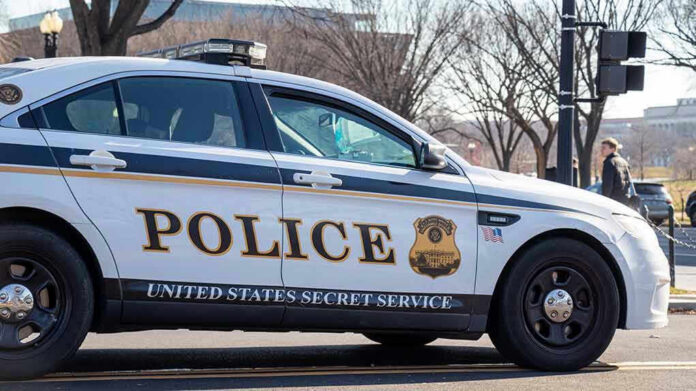
Volusia County investigators said the Federal Bureau of Investigation (FBI) alerted them on the day of a Daytona Beach rally about an Instagram post that threatened to shoot President Trump. Officials said the Volusia Crime Center traced the account to 21-year-old Allison Jeanne Albro. Detectives and United States Secret Service agents then went to her home, questioned her, and took her into custody. Authorities booked Albro without bond on a charge of making written threats to kill.
Investigators said Albro admitted she wrote the post but claimed it was a joke and said she did not own a firearm. Detectives reported that a consensual search of her home found no guns, ammunition, or shooting gear. Officials still moved forward with the arrest, citing the nature of the threat, the timing near a presidential event, and the duty to protect a high-profile target. An arrest is an allegation, not a conviction.
How Florida Law Treats Posted Threats of Violence
Florida law makes it a felony to send or post a writing or other record, including an electronic record, that threatens to kill or cause bodily harm when it can be viewed by another person. Courts in Florida have said the statute applies to social media posts, not just letters or private messages. This means a public post that names a person and states a plan to kill can meet the law’s elements, even if the speaker later says it was a joke.
National free speech rules also matter. The Supreme Court has said “true threats” are not protected by the First Amendment, but the state must show more than heated or crude political talk. In 2023, the Court explained that prosecutors must prove the speaker had at least a reckless mental state about whether the words would be viewed as a serious threat. That standard shapes how cases like this move forward.
Why Multiple Agencies Respond to Presidential Threats
Threats aimed at a sitting president trigger a fast, coordinated response. The United States Secret Service, the FBI, and local law enforcement often act at once to locate the speaker, check for weapons, and reduce risk at the event site. Officials must assume the worst until they can rule it out. That preventive approach protects crowds and the President, even when later searches find no weapon or plan beyond a single post.
This arrest also reflects a wider shift: threats now spread on open platforms, where one post can reach thousands in minutes. Florida updated and interpreted its statute to cover these posts, and state courts have upheld that reach. Supporters say this helps stop violence early. Critics worry about overreach when a person claims satire or a joke. The courtroom is where those lines get tested under the true-threat standard.
Sources:
facebook.com, wftv.com, pubapps.fdc.myflorida.com, webapps.hcso.tampa.fl.us