
A rear-end crash between two high-speed trains on Spain’s Madrid–Andalusia line left dozens dead and forced a shutdown of the busy corridor.
Story Snapshot
- Authorities reported a rear-end collision on the Madrid–Andalusia high-speed line, halting traffic.
- Officials said a stopped train was struck from behind by another traveling the same direction.
- Reports identified Renfe and Iryo services traveling south from Madrid as the trains involved.
- Early death tolls varied widely as responders worked the scene; figures are still being reconciled.
What Happened on the Madrid–Andalusia High-Speed Line
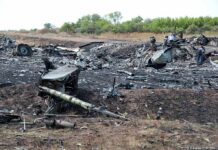
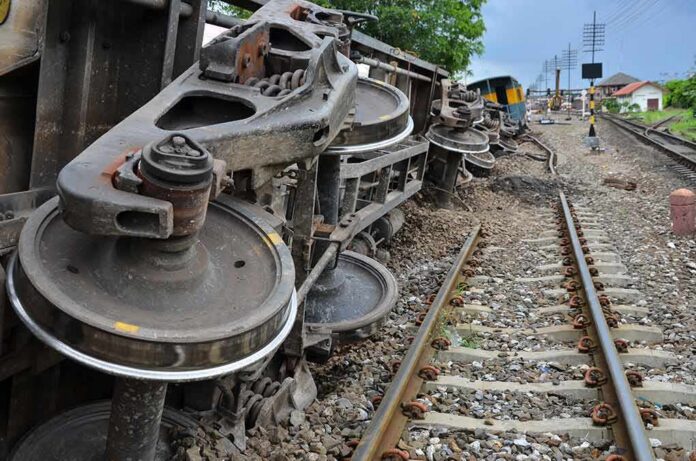
Spain’s rail infrastructure manager said two trains collided on the Madrid–Andalusia high-speed route, and all traffic on the line was suspended after the crash. Regional officials described a rear-end impact between trains traveling south from Madrid in Toledo province. The forward train was reported stopped when it was hit from behind. The crash derailed carriages and caused heavy damage. Emergency crews converged on the scene as the suspension rippled across one of Spain’s busiest travel corridors.
Local authorities and news outlets placed the collision between towns in Toledo province along the Madrid–Seville corridor, with reports citing stretches between Mora and Orgaz or between Los Yébenes and Urda. The trains were identified as a Renfe high-speed service and an Iryo high-speed service heading toward Seville. Photos and descriptions from the scene pointed to a high-energy rear impact, with at least two carriages off the rails and slumped near an embankment or ditch, consistent with a sudden, forceful strike.
Casualties and the Challenge of Early Numbers
Initial reports from regional sources and media varied on fatalities, reflecting a fast-moving response and triage effort. Some outlets cited at least 39 deaths, attributed to local authorities, while another report put the figure at 46 as updates rolled in. One report noted at least 10 confirmed deaths early on, with warnings the number would rise as responders reached more cars. Officials continued moving the injured to hospitals as assessments evolved.
Such swings in early counts are common in mass-casualty events, especially with severe wreckage and multiple derailed cars. First responders must secure the site, stabilize the injured, and then gather verified information. That can cause public confusion, but it does not change the core fact of a deadly rear-end crash on a major line. Authorities will release a reconciled toll after formal identification and hospital updates.
How a Rear-End Train Collision Can Happen
Rear-end collisions often pair a sudden stop or slow lead train with a following train that lacks the distance to brake in time. Technical literature points to failures in signaling, operations, or human judgment as common factors. Speed, dispatch orders, and train-control systems can interact in ways that let two trains end up on the same block or closing too quickly to avoid impact. Investigators look at event recorders, signal logs, and dispatcher communications to trace the chain.
Spain train crash live: Death toll rises to 68 after two high-speed trains collide near Toledo
How can this hay? I think it’s called AI Musk— Frankie (@Frankiecx1ho) October 28, 2026
Spanish outlets and international coverage emphasized that officials had not named a cause. Early talk referenced possible signaling, control-center, or human factors, but these are hypotheses, not findings. Formal rail crash investigations typically review the European train control data, track interlocking records, braking performance, track maintenance logs, radio traffic, and driver reports. That process can take weeks or months before authorities issue a technical conclusion.
Why This Matters Beyond Spain
The Madrid–Seville route is a flagship line in Europe and a symbol of modern rail. A deadly crash on high-speed infrastructure shakes trust far beyond one country. In the United States, both conservatives and liberals worry that leaders cut corners, delay upgrades, and let safety play second to politics. This tragedy underscores a shared concern: complex systems need steady investment, transparent oversight, and real accountability, not slogans or spin, to protect everyday travelers.
What to Watch Next
Expect Spain’s transport officials and the rail operator to announce an independent investigation and a timeline for reopening the line in stages. Watch for a final, unified casualty count from regional emergency services. Look for confirmed identities of the trains, their schedules, passenger loads, and black-box data. The key questions are why the lead train stopped, how the following train’s protection failed, and whether rules, signals, or human actions broke down at a critical moment.
Sources:
irishtimes.com, independent.co.uk, ianslive.in, thenews.com.pk, cbc.ca, ar5iv.labs.arxiv.org