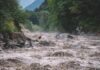

As deaths surge past 600 across the Nepal–China border flood zone, Nepal says search teams are still in the field and working against the clock.
Story Highlights
- Nepal says security, disaster, and health agencies remain fully mobilized for search and rescue.
- Authorities resumed operations after a weather pause; police say rescues “haven’t stopped”.
- Officials reported 359 bodies recovered and 596 missing from 33 countries, pending verification.
- Cross-border counts and fast-changing totals fuel confusion as responders work rugged terrain.
Rescue Operations Continue After Deadly Himalayan Flood
Nepal’s government says search, rescue, evacuation, and medical aid teams remain fully mobilized after a powerful flood tore through Himalayan valleys along the Nepal–China border. Officials report active deployments across river corridors and hit towns, with local authorities and health services engaged in the response. Police confirm operations have not stopped, even as weather and damaged roads slow access to remote sites. The goal is clear: reach survivors, recover the missing, and stabilize communities still at risk.
Authorities resumed field work after a brief weather-related pause, signaling continuity rather than retreat. Reuters reported the restart and noted that teams are still looking for large numbers of missing people. Government statements stress that all available resources are in use. That includes security forces, medical evacuation, and temporary shelters for displaced families. Terrain, debris, and river hazards make every mile slow, but responders are pressing forward with day-by-day searches.
Casualty Totals Are Rising And Still Being Verified
Nepal’s Foreign Affairs Ministry said 359 bodies were recovered and 596 people from 33 countries remained missing as of August 27, with figures subject to verification as searches continue. International outlets now place the combined death toll across Nepal and China’s Tibet region above 600. These updates reflect a common pattern in major disasters: early numbers shift as agencies reconcile lists and gain access to blocked areas. The public should expect continued revisions as data improves.
The Associated Press cited Nepal police who emphasized that rescue work is ongoing and on alert due to flood risks at upstream lakes. This aligns with government orders to intensify operations after emergency meetings. Officials also indicated they need technical help and funding for damaged infrastructure and early warning systems, not foreign search teams at this stage. That stance underscores confidence in domestic capacity while hinting at long-term needs beyond immediate rescues.
Why The Terrain Makes The Search So Hard
Rescuers face steep valleys, unstable slopes, and piles of rock and wood swept downstream by the flood surge. Bridges are damaged, and roads are cut in places, forcing teams to hike, raft, or fly when weather allows. These conditions slow both the lifesaving work and the official count. Cross-border impacts add complexity as Nepal and China tally victims in different zones and on different timelines, which can make the regional total look like a moving target to people far from the scene.
India’s 4th relief flight to flood-hit Nepal is now airborne. An Indian Air Force C-130 aircraft is carrying 11 tonnes of assistance, including rescue equipment and essential relief supplies to support ongoing search-and-rescue operations.#Nepal #NepalFlood #India #SJaishankar pic.twitter.com/CPbBbgSXf5
— India Brief (@IndiaBrief365) August 29, 2026
Scientists say glacial lake outburst floods and cascading hazards are a known risk in the Himalayas. That risk grows when heavy rain, rock falls, or ice collapse push lakes past their limits. This event followed that pattern, sending a torrent of water, mud, and debris down narrow channels and into settlements. The force of such floods often overwhelms warning systems and evacuation routes, making quick rescues crucial and final accounting difficult in the first days after impact.
Sources:
youtube.com, theguardian.com, english.news.cn, english.nepalnews.com, apnews.com, abcnews.com, tandfonline.com