

Six members of a Florida family, including 16-year-old student leader Hunter Stokes, died in a Cessna crash off Mississippi as they returned home from a Thanksgiving trip, sparking grief and tributes from Turning Point USA and their community.
Story Highlights
- Turning Point USA said Hunter Stokes led its Fort Myers High School Club America chapter.
- Federal agencies are investigating the November 24 crash near Horn Island.
- Authorities identified all six relatives who died in the wreck.
- Public tributes stressed mourning while the cause remains under review.
What Happened Near Horn Island
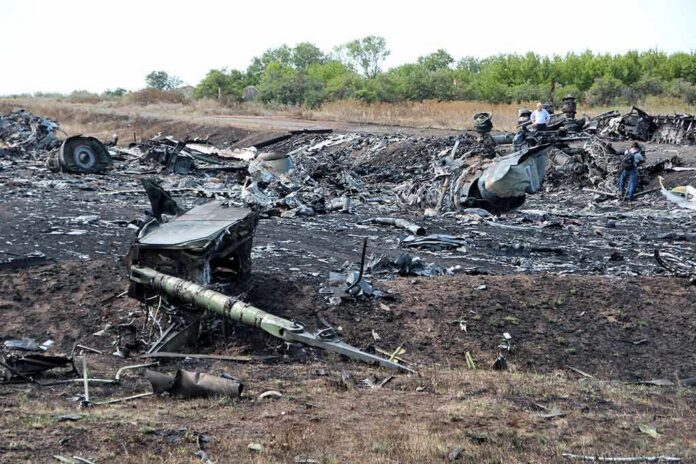
Authorities said a single-engine Cessna 210 went down in the Gulf of Mexico near Horn Island on November 24, 2026, at about mid-afternoon. The aircraft was headed back to Florida after a family fishing trip. Officials reported six people on board, all members of one family, and confirmed no survivors. The site lay roughly two nautical miles northeast of Horn Island. Federal investigators began work to recover evidence and document the scene for their review.
https://www.youtube.com/watch?v=O5J-_ODY-EI
Local and regional outlets reported that the Federal Aviation Administration and the National Transportation Safety Board opened investigations into the crash. Early accounts described a submerged wreck and recovery operations in challenging waters. Officials released the names of those killed after notifying relatives. The announcement highlighted that the group had been returning to Fort Myers. Investigators did not identify a cause at this stage, which is routine as federal reviews often take months to complete.
Victims Identified by Authorities
Officials identified the dead as Brent Stokes, Hunter Stokes, Arlyn Knox, Michael Knox, Charles Holden Knox, and Truett Knox. Reports placed Hunter’s age at 16. The family had traveled for a Thanksgiving fishing trip and was flying home to Florida when the crash occurred. The identification came after search and recovery teams worked the area near Horn Island. Some early reports differed on ages, but the names and family ties were consistent across official-linked accounts.
News coverage described the impact on the Fort Myers area, where friends and neighbors learned of the loss. Outlets tied the family to community, school, and church life. The six relatives represented two branches of a close-knit family who shared holiday plans and enjoyed outdoor activities. The human story centered on a teen leader, his father, and extended relatives who left behind classmates, coworkers, and friends preparing for the holiday season. Authorities urged patience as the federal review advanced.
Turning Point USA’s Public Mourning
Turning Point USA issued a statement mourning Hunter and identifying him as the president of its Fort Myers High School Club America chapter. The organization said it was heartbroken and voiced support for the family and local members. That identification anchors Hunter’s public role within a known youth political network. While the group praised his passion, the reporting did not detail his chapter’s size or activities beyond the title shared in the statement.
Erika Kirk, a public figure linked to the organization, shared a tribute on the social platform X that asked for prayers for Hunter’s family and friends. Her message focused on grief and the loss of a young life. The post drew wide attention and helped spread news of the family tragedy beyond local outlets. The tone was personal and did not claim details about the crash itself, which remain under federal review.
How Communities Process Tragedy in a Polarized Time
Public mourning often flows through trusted groups, churches, and schools. In modern news cycles, it also passes through political networks and social media. When a youth leader dies, organizations and influencers can amplify awareness and support. That dynamic can mix grief with identity cues that people read through their own views. Research shows that reactions to loss can split along partisan lines, even when sympathy should be common ground.
TPUSA Chapter Leader Hunter Stokes Killed in MS Crash Turning Point USA mourns 16-year-old Fort Myers chapter president Hunter Stokes, killed with his family in a Mississippi plane crash. 🔗 https://… #Mississippi #StokesKilled #FortMyers https://t.co/PKpUQc0pwb
— BLACKOUT.NETWORK (@BLKOUTNTW) November 27, 2026
In this case, the core facts are clear: a family of six died in a crash, and a teen who led a school chapter is gone. The lesson for readers across the spectrum is simple and human. A tight-knit community is hurting. Officials are doing the methodical work to find answers. Families want space to grieve. The most helpful response now is practical support, attention to facts as they firm up, and restraint from speculation while investigators do their work.
Sources:
foxnews.com, newsweek.com, usatoday.com, nola.com, news.meaww.com