

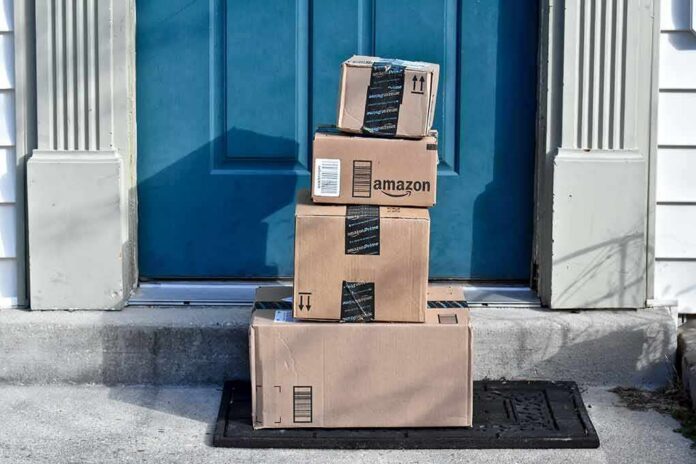
Amazon warned New Yorkers that a pending City Council bill could add up to $5 to every delivery, putting thousands of contractor jobs and dozens of small firms at risk if its current business model is outlawed.
Story Snapshot
- Amazon says a City Council bill could push delivery costs up to $5 per order.
- The plan would require last‑mile operators to directly employ drivers and meet safety rules.
- City leaders call Amazon’s warning a scare tactic and say the bill itself adds no fee.
- More than 40 small delivery firms and 5,000 workers could be affected, Amazon says.
What Amazon Told NYC Shoppers And Why It Matters
Amazon posted alerts to New York City customers on November 19–20 that a pending law could raise delivery costs by up to $5 per order. The company tied the risk to a bill that would force last‑mile hubs to hire drivers and warehouse staff directly and meet new licensing, training, and safety rules. Amazon said more than 40 small delivery partners and over 5,000 New Yorkers could lose work if its contractor model is banned in the city.
Amazon’s $5 figure is an estimate, not a fee in the bill’s text. Reporters found no public model showing how Amazon calculated that number. The company argues that direct payroll, benefits, compliance, and new training costs would drive prices higher or cut service. That claim reflects Amazon’s business interest, but it is also a standard warning companies make when lawmakers push reclassification or tougher labor rules.
What The Delivery Protection Act Would Actually Do
City materials describe the Delivery Protection Act as a worker and public safety law. It would require last‑mile delivery facilities to get city licenses and set minimum safety, training, and worker protection standards. It would also make the company that runs the facility accountable for quotas, schedules, and routes that shape working conditions and street safety. Sponsors say it aims to tie responsibility to the firm that controls the work.
The sponsor and allies say the law’s direct costs are limited. They point to a licensing fee of $500 every other year and basic compliance duties. They also stress that the bill itself does not add a $5 charge to customer orders. They argue Amazon is using customer alerts to pressure the Council and scare shoppers. They add that the goal is safer work, fewer crashes, and cleaner neighborhoods near busy depots.
Dueling Claims On Costs, Jobs, And Control
Amazon says the bill could eliminate its contractor network in the city, threaten small delivery firms, and force it to consider moving parts of its operations outside city limits. One owner, Yazji of Logistics Express, warned the change could shut his company and cost 180 jobs. The company’s broader claim is that direct hiring would add payroll and compliance layers that raise costs and slow deliveries.
Amazon just turned its checkout page into a political ad. The last company that tried this on New York City got its way in six days.
If you live in NYC and opened Amazon this week, you might have seen it. Some people got a red banner on the homepage, and some got a pop-up in the… https://t.co/WjRPtvpode
— Aakash Gupta (@aakashgupta) November 20, 2026
City officials counter that Amazon already controls routes, quotas, and core systems while contractors carry the legal risk. They say past contract cuts left over 100 drivers jobless overnight and cite safety concerns around last‑mile hubs. They frame the bill as restoring accountability to the company in charge, not punishing small firms. They reject the $5 claim as unproven and label it corporate bullying meant to block basic protections.
How This Fits A Bigger National Fight
This clash mirrors national fights over whether big firms can outsource core work to avoid employer duties. Amazon’s delivery system relies on partner companies and app‑based drivers who follow Amazon’s software, branding, and standards. The New York bill would test that line by pushing the operator that sets the rules to also be the employer. That debate blends pocketbook fears about higher prices with worker safety and neighborhood impacts.
What To Watch Next For Consumers And Workers
Council leaders have signaled openness to changes. If the final bill allows contractors under strict licenses and safety standards, Amazon’s starkest warnings may fade. If direct employment stays central, costs could rise, or jobs could shift from partners to Amazon payrolls. For now, there is no voted law, no active $5 fee, and no published cost model. New Yorkers should expect more hard messaging from both sides before any final vote.
Sources:
abc7ny.com, newsnationnow.com, newsbytesapp.com, amny.com, earthjustice.org, reshapingwork.net