
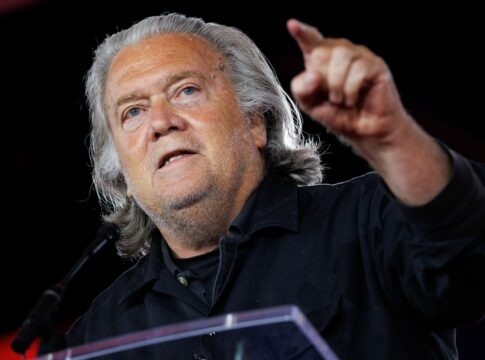
Steve Bannon moved one step closer to overturning his contempt of Congress conviction after the Supreme Court agreed to review his case. The political strategist was convicted in 2022 for refusing to comply with a House January 6 Committee subpoena, a decision that could now face scrutiny from the nation’s highest court.
The Executive Privilege Argument
Bannon originally claimed his testimony fell under executive privilege as an extension of Donald Trump’s presidential protections. The House January 6 Committee rejected this reasoning, pointing out that Bannon had departed the federal government years before the Capitol riot and served as a private citizen on January 6, 2021. His attorneys maintained that communications with the former president remained protected regardless of his employment status.
The contempt conviction resulted in a four-month prison sentence and $6,500 fine for Bannon. Federal prosecutors argued he willfully defied congressional authority by ignoring the subpoena. Defense lawyers countered that Bannon followed legal advice when asserting privilege claims. The Supreme Court’s decision to hear the case suggests at least some justices see merit in examining the boundaries of executive privilege.
Constitutional Questions at Stake
Legal experts say the case raises fundamental questions about separation of powers between Congress and the executive branch. The outcome could establish new precedent for how former White House advisers respond to congressional investigations. Similar privilege disputes have emerged in other high-profile investigations, making this ruling potentially far-reaching beyond Bannon’s individual circumstances.
What Happens Next
The Supreme Court will likely hear oral arguments in the coming months, with a decision expected before the end of the current term. Bannon remains free pending the appeal process. If the conviction stands, he faces imprisonment. A reversal could undermine Congress’s ability to compel testimony from former executive branch officials. The January 6 Committee completed its work in 2023, but this legal battle continues to shape the constitutional landscape surrounding congressional oversight powers and executive immunity.