

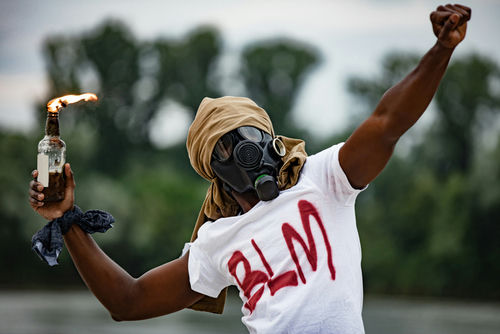
A former Black Lives Matter activist who once championed systemic racism narratives now calls the organization a “scam” and insists that systemic racism in America doesn’t exist—a stunning reversal that exposes fractures within the movement itself.
From True Believer to Fierce Critic
Xaviaer DuRousseau wasn’t just a casual supporter. Before 2023, he actively promoted Black Lives Matter causes across social media, posting videos about racism, segregation, and lynching narratives while calling for dialogue between Black and non-Black Americans. His content aligned perfectly with progressive orthodoxy during the 2020 racial reckoning. Then something shifted. Through travel and what he describes as personal maturity, DuRousseau began questioning the narratives he’d embraced. A road rage incident he once attributed to systemic racism he now reframes as simply two people having a bad day.
The Cringe-Worthy Confession
DuRousseau’s YouTube video takes viewers through his old posts with brutal honesty. He watches his former self with visible discomfort, dissecting arguments he once made passionately. The format—a “cringe reaction” to his woke past—resonates precisely because it’s raw and unfiltered. He doesn’t hedge or qualify. DuRousseau draws a sharp distinction: circumstantial racism exists when ignorant individuals commit racist acts, but systemic racism embedded in American institutions does not. His own example involves perpetrators who were autistic or had special needs, further complicating the narrative he once promoted.
Following the Money Trail
DuRousseau’s “scam” accusation lands amid documented BLM financial controversies. The Black Lives Matter Global Network Foundation raised over $90 million in 2020 following George Floyd’s death. Yet accountability remained murky. Co-founder Patrisse Cullors resigned in 2021 after scrutiny over real estate purchases, including a $6 million property acquisition. IRS filings from 2022 revealed over $8 million in expenses with vague allocations. Local BLM chapters filed lawsuits against the national organization, alleging financial mismanagement and lack of transparency. By 2023, tax documents showed $3.5 million in assets but persistent donor distrust.
The Broader Pattern of Defection
DuRousseau isn’t alone in his ideological migration. His transformation follows a pattern among Black conservatives who once embraced progressive causes. Figures like Candace Owens and Coleman Hughes have similarly rejected what they view as victimhood narratives. Even Hawk Newsome, who led BLM’s Greater New York chapter, shifted rightward. Academic voices like Thomas Sowell and John McWhorter have long challenged systemic racism claims, arguing interpersonal discrimination differs fundamentally from institutional bias. Harvard economist Roland Fryer’s 2023 research found no systemic police bias post-Floyd, providing empirical support for DuRousseau’s position.
Data Versus Doctrine
The systemic racism debate hinges on how Americans interpret disparities. Proponents like Ibram X. Kendi argue policies create racist outcomes regardless of intent. Critics counter that outcomes reflect multiple factors including culture, family structure, and individual choices. Polling data suggests public opinion shifting. Gallup found in 2023 that 50 percent of Black Americans doubt ongoing discrimination represents their lived experience. Pew Research reported in 2024 that 40 percent of Americans overall perceive less racism than immediately post-2020. DuRousseau’s journey from activist to skeptic mirrors this broader recalibration as emotional responses to George Floyd’s death give way to scrutiny.
The Cultural Earthquake
DuRousseau’s defection carries particular weight because of his identity. When a Black former insider calls BLM a scam, it undermines the movement’s moral authority in ways external critics cannot. Conservative media amplifies his message enthusiastically, seeing validation for their long-held skepticism about racial grievance politics. Progressive activists largely ignore DuRousseau or dismiss him as a grifter seeking right-wing audiences. The silence from BLM leadership speaks volumes—no rebuttal, no engagement, just organizational fracture. His video continues circulating through conservative circles, now with over 500,000 followers consuming his expanded content critiquing global racism myths.
“Former BLM activist goes scorched earth on ‘scam’ group, insists systemic racism in US isn’t real” https://t.co/bWHsBNN1vy
— Daniel Guss (@TheGussReport) May 14, 2026
The impact extends beyond one man’s testimony. DuRousseau’s transformation contributes to what observers call “BLM fatigue,” eroding the systemic racism narrative among moderates who once accepted it uncritically. DEI initiatives face growing skepticism amid economic pressures and questionable returns on investment. Politically, voices like DuRousseau’s strengthen Republican messaging against woke ideology heading into election cycles. His rejection of reparations talk and victimhood framing offers Black Americans permission to question progressive orthodoxy without being labeled traitors. Whether this represents genuine awakening or cynical opportunism depends on your perspective, but the facts surrounding BLM’s financial chaos and declining relevance remain uncomfortable regardless of ideology.
Sources:
Defining Freedom – National Museum of African American History and Culture
House Judiciary Subcommittee Hearing on H.R. 40 and the Path to Restorative Justice