

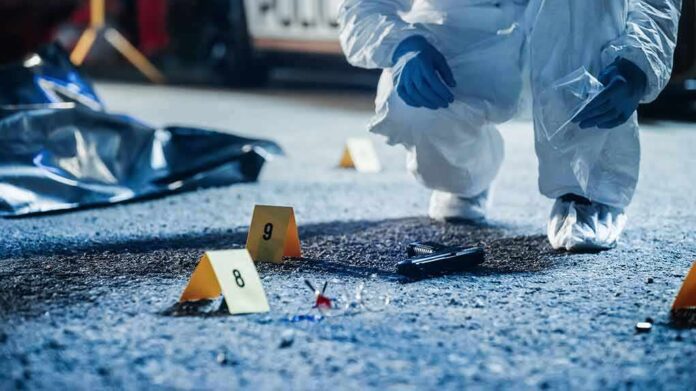
Prosecutors say a former New York City police officer-turned-school aide carried a knife to a Brooklyn path, returned home minutes after a jogger was stabbed, and tossed bloody items down a garbage chute before telling detectives he tried to clean up.
Story Snapshot
- Grand jury indicts Sayed Mohassib for second-degree murder in the death of jogger Katie Suarez.
- Surveillance reportedly shows Mohassib heading toward the path before the attack and fleeing after.
- Prosecutors say he admitted carrying a knife, discarding items, and cleaning blood in his apartment.
- Later jailhouse remarks reportedly claim a divine command to kill, complicating intent issues.
What Investigators Say Happened Along the Belt Parkway
Brooklyn prosecutors charged school aide and former New York City Police Department officer Sayed Mohassib with second-degree murder in the fatal stabbing of 28-year-old runner Katie Suarez near the Belt Parkway. Reporting based on the criminal complaint says surveillance captured him moving toward the path before the attack and running away after. Police and prosecutors say the footage forms part of a timeline that places him near the scene minutes before Suarez was found bleeding on the ground by her father.
According to summaries of court documents, video shows Mohassib arriving back at his building about 15 minutes later. Reporting says he then came out wearing only underwear and disposed of items down a garbage chute. Prosecutors allege those items included a knife and bloody clothing tied to the attack. Investigators also say a crime-scene detective found a stain in his apartment that tested presumptively positive for blood during an initial field test.
Key Statements Attributed to the Defendant
Reports say Mohassib told detectives he carried a knife to the path because he believed people planned to kill his family. He allegedly said he later threw away the knife and bloody clothing and tried to clean blood in the apartment. Reports also say he denied stabbing anyone at first and suggested he blacked out or sat on a bench. Those shifting accounts, if admitted, could affect how a jury views identity and intent in the case.
Coverage after the arraignment added another reported statement from jail. According to national reporting that cited The New York Post, Mohassib later claimed he killed Suarez because Allah told him to kill a person. That remark, if accurate, may shape how lawyers argue mental state and motive. It does not change the core charge, but it can influence how the defense and prosecution frame intent at trial.
Evidence So Far and What Is Still Not Public
News reports state that a Brooklyn grand jury indicted Mohassib on a top count of second-degree murder. That step moves the case beyond an initial arrest and confirms prosecutors believe the evidence supports trial. The indictment followed submissions that, according to reports, included the surveillance timeline, alleged disposal conduct, and the presumptive blood finding inside the apartment. Mohassib is being held without bail while the case proceeds in court.
Some details remain outside public view. Reports do not say a camera captured the stabbing itself. They also do not show that police have recovered the knife or clothing described in the complaint, or that a laboratory confirmed whose blood was in the apartment. Prosecutors often fill those gaps later with lab results, medical examiner findings, and chain-of-custody records presented in court filings or at trial.
How the Case Fits Common Homicide Patterns
This case reflects a common pattern in homicide prosecutions built from a mosaic of clues. Investigators lean on movement on video, what a suspect did right after the crime, and what the suspect said in interviews. Courts allow circumstantial evidence, and juries can convict on it, if each link is proven and the pieces fit together logically beyond a reasonable doubt. The defense can still argue alternative meanings for flight, disposal, and vague or conflicting statements.
The mental-state issue may loom large. Research shows insanity defenses are rare and succeed less often than the public assumes. That does not end the question of intent, which the prosecution must still prove. Reported claims of paranoia, a blackout, or a divine command can lead to evaluations and expert testimony. Those steps test whether the defendant could understand his actions or know they were wrong at the time, which is a higher bar than general talk about mental health.
Why This Case Resonates Beyond Brooklyn
People across the political spectrum see a system that too often fails victims, communities, and fair process. Many ask why hiring and screening missed warning signs, or why schools and police did not move faster when danger surfaced. Others worry that sensational leaks and quick press narratives can tilt justice before a jury hears tested facts. Both concerns are present here: safety on public paths and trust that the courts, not headlines, will decide guilt.
Sources:
pjmedia.com, charlotteobserver.com, today.com, longisland.news12.com, lehighvalleylive.com, pubmed.ncbi.nlm.nih.gov, mississippilawjournal.org, ojp.gov