
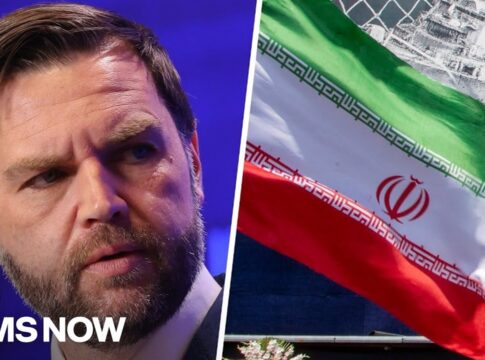
Vice President J.D. Vance travels to Pakistan this week to lay groundwork for permanent negotiations with Iran, marking a significant shift in American diplomatic strategy toward the Middle Eastern nation. The trip comes as the Trump administration seeks to establish lasting agreements following recent military tensions in the region.
Diplomatic Mission Takes Shape
Vance’s Pakistan visit represents the administration’s effort to use regional allies as intermediaries in reaching a comprehensive deal with Tehran. Pakistan, which shares a border with Iran and maintains diplomatic relations with both nations, positions itself as a potential broker. The Vice President will meet with Pakistani leadership to discuss security concerns and economic frameworks that could support long-term stability. This approach differs from previous direct negotiations, instead building multilateral support before formal talks begin.
Regional Tensions Complicate Path Forward
The diplomatic push follows months of escalating military activity between American forces and Iranian proxies across the Middle East. Recent drone incidents and naval confrontations have raised stakes for all parties involved. Iran announced new conditions ahead of peace discussions, adding complexity to already difficult negotiations. Ukrainian President Zelenskyy reported his forces shot down Iranian-made Shahed drones during the conflict, demonstrating Tehran’s continued military involvement in multiple regional theaters. These ongoing tensions underscore why the administration considers a permanent agreement essential to American security interests.
Strategic Implications for America
Success in these negotiations would represent a major foreign policy achievement for the Trump administration, potentially reducing military commitments in the region while addressing nuclear proliferation concerns. Pakistan’s involvement signals a broader strategy of building coalition support before direct engagement with Iran. The administration believes regional stability serves American economic interests and reduces threats to allies. However, critics question whether Iran will honor any agreement given its history of supporting militant groups. The coming weeks will determine if this diplomatic gamble pays dividends or if military options remain the primary tool for addressing Iranian aggression against American interests.
What Comes Next
Vance’s Pakistan meetings will establish timelines and frameworks for subsequent negotiations. Administration officials indicate they seek verifiable commitments from Iran regarding nuclear development, regional military activity, and support for terrorist organizations. The Vice President returns to Washington later this week, with formal talks potentially beginning within months. Success requires Iran accepting significant limitations on its military programs in exchange for sanctions relief and normalized diplomatic relations.