
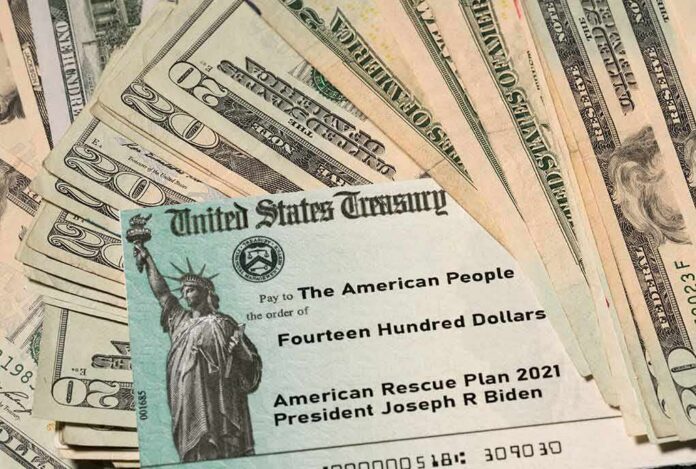
President Trump’s administration began mailing $500 refund checks to nearly 1 million Americans in 30 states, billed as payback for Obamacare user-fee overcharges.
Story Highlights
- The White House said eligible Americans will receive $500 refunds starting in October 2026.
- Treasury began sending checks to about 950,000 people across 30 states using HealthCare.gov.
- Refunds target people who bought Affordable Care Act plans without premium subsidies.
- The administration says the money comes from a surplus of marketplace user fees, totaling about $500 million.
What The Administration Announced And When Checks Arrive
The White House announced that almost 1 million Americans will get $500 checks, with mailings starting in October 2026. Officials framed the step as refunds for people who faced higher costs on Affordable Care Act plans sold on the federal marketplace. The administration called the payments “Working Families Obamacare Refunds” and linked the funds to fees that exceeded what was needed to run HealthCare.gov. The announcement set the scope, amount, and start date for the refunds.
News outlets reported that the Department of the Treasury started mailing the checks to roughly 950,000 Americans in 30 states. Those states use the federal HealthCare.gov site rather than state-run exchanges. The coverage emphasized the rollout timing in early October and confirmed that payments are being issued now. Reports also noted that each check is paired with a letter signed by President Trump, underscoring the administration’s direct link to the action.
Who Qualifies For The $500 Refund
Eligibility centers on people who bought coverage on the federal marketplace but did not receive premium subsidies. Reports said many recipients paid full price and fell above four times the federal poverty level. Some people within lower income bands may also qualify if they did not receive subsidies. The aim is to reach those who bore the full cost of the fees that insurers passed through to consumers in premiums on the federal exchange.
The refunds apply only in states that rely on the federal marketplace and not in states that run their own Affordable Care Act exchanges. Outlets consistently described the 30-state limitation as tied to HealthCare.gov’s structure. That distinction explains why residents of some states will receive payments while others will not. The federal-exchange focus aligns with where the user fees were collected and where the administration says overcharges occurred.
Why The Money Is Described As A Refund, Not A New Benefit
The administration said the checks come from a surplus of user fees collected to fund the federal marketplace. Those fees are assessed to insurers and then flow into premiums paid by customers. Officials described the $500 as a refund of excessive charges, not a new entitlement. Reports placed the total size of the payments at about $500 million. That framing presents the action as returning money to consumers who overpaid for federal marketplace operations.
President Trump is sending $500 refund checks to nearly 1 million Americans after his administration says they were overcharged through the Affordable Care Act's federal insurance exchange.
"That money belongs to hard-working Americans, not the Government, and now I'm returning… pic.twitter.com/uiWLjfPql2
— Fox News (@FoxNews) October 3, 2026
Several outlets explained that the money is linked to the costs of running HealthCare.gov, its support services, and enrollment help. The White House message argued that collections outpaced needs, creating a surplus that should go back to affected policyholders. While detailed accounting files were not included in the public materials, the program’s stated basis is the gap between collected fees and what was required to operate the federal exchange as used in those 30 states.
What This Means For Families And The Policy Landscape
For eligible families, $500 can ease costs like groceries, fuel, or a utility bill after years of rising prices. For policy, the refunds highlight how marketplace financing choices land on real people. Fees set for federal exchange operations flow into premiums, so any extra collections hit unsubsidized buyers hardest. The timing near the midterms drew attention, but the core facts remain: checks are going out, the pool is defined, and the stated source is federal marketplace user-fee surplus.
Sources:
washingtonpost.com, whitehouse.gov, reuters.com, foxnews.com