
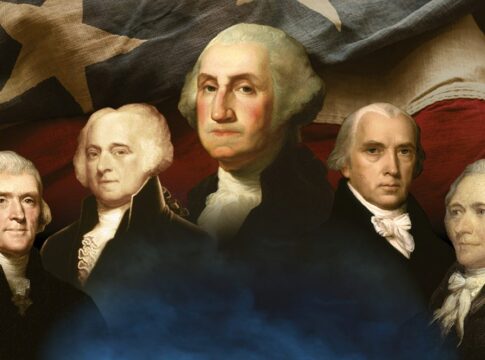
A new wave of historical revisionism threatens to undermine the core understanding of the American Revolution, sparking debate among traditionalists.
Complexity Behind the American Revolution
The American Revolution, often romanticized in public memory, is fraught with myths that simplify the complex socio-political landscape of the era. Many believe the Revolution was solely about oppressive taxation, ignoring other significant factors like land disputes and governance issues. Historians argue that this narrative fails to account for the multifaceted nature of colonial grievances and the broad geopolitical influences at play.
Beyond taxation, the Revolution was driven by various causes, including British attempts to consolidate control after the Seven Years’ War. These efforts sparked colonial resistance, not just from a tax standpoint but also from a desire for political autonomy. The Boston Massacre and Boston Tea Party were key flashpoints that exemplified the growing tensions between the colonies and the British Crown.
Debunking Myths and Misconceptions
One of the most enduring myths is that the Americans won the war entirely on their own. In reality, foreign intervention, particularly from France, was crucial to the colonies’ success. The strategic and financial support from France played a decisive role in pivotal battles, such as Saratoga and Yorktown. This international dimension underscores the Revolution’s complexity, challenging the simplistic narrative of a lone, heroic victory.
Paul Revere’s legendary midnight ride is another myth often misrepresented. While Revere is frequently credited as the sole midnight rider, he was actually one of several, including William Dawes and Samuel Prescott. Furthermore, the dramatized account of him shouting, “The British are coming,” is historically inaccurate, illustrating how cultural memory can distort historical facts.
Implications for Historical Education
The persistence of these myths suggests a broader issue within historical education, where oversimplified narratives can overshadow intricate realities. As historians continue to publish revisionist histories, there is a growing push for educational materials that reflect the nuanced and multifaceted nature of historical events. This approach not only enriches understanding but also honors the diverse participants and complex motivations that defined the Revolution.
Addressing these myths is crucial for fostering a more accurate comprehension of American history. By embracing complexity, educators can better equip future generations with a comprehensive view of the past, ensuring that history is understood not as a series of isolated events but as a tapestry of interconnected narratives.
Sources:
7 Myths About the American Revolution
Myths of the American Revolution
American US History Historical Myths