

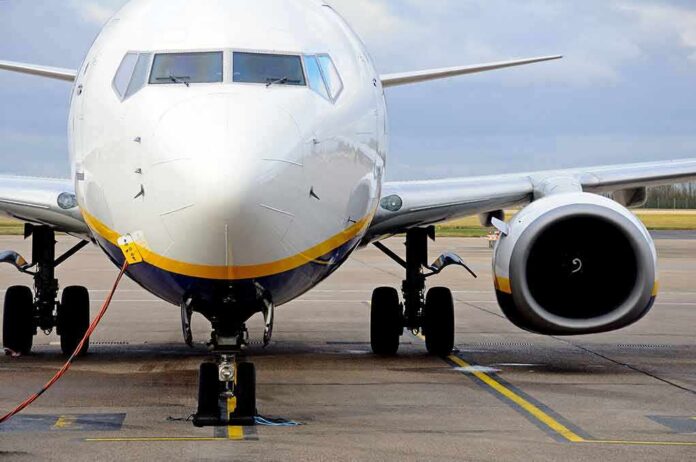
Flydubai Flight FZ1073 landed safely after the co-pilot allegedly stabbed the captain midair and tried to crash the jet, according to officials and witnesses.
Story Highlights
- Israeli officials said the co-pilot stabbed the captain and tried to crash the plane.
- The aircraft sent emergency codes and dived thousands of feet before diverting.
- Crew and passengers entered the cockpit and restrained the suspect, witnesses said.
- The flight diverted to Tabuk, Saudi Arabia; authorities arrested the co-pilot.
What Happened Onboard FZ1073
On September 30, a Flydubai flight from Dubai to Tel Aviv faced a violent cockpit attack. Israeli officials said the co-pilot stabbed the captain and tried to crash the aircraft before crew and passengers intervened. The plane sent standard distress codes and began a rapid descent. Witnesses described panic, blood in the cockpit, and a struggle to restrain the attacker. After crews regained control, the pilots diverted to Tabuk, Saudi Arabia, and landed safely without a crash.
Officials and reporters said the jet dropped thousands of feet during the fight, a sign of lost control or sudden inputs. Aviation trackers cited a plunge from cruising altitude into the high teens within about a minute. Emergency codes signaled both a general distress and suspected unlawful interference. Those alerts cue air traffic control and security agencies to respond fast. The mix of a cockpit assault, sharp descent, and emergency codes matched a grave in-flight security event.
How The Crew And Passengers Responded
Cabin crew reportedly unlocked or gained cockpit access during the struggle and helped subdue the co-pilot. Some accounts said off-duty pilots or passengers joined to hold him down. The captain, described as injured, continued to work with the remaining pilot to stabilize the jet. Their actions kept the aircraft flyable and set up the emergency landing in Tabuk. Saudi authorities then detained the suspect, while medics treated the wounded crew member.
Witness videos and messages from onboard added to the picture of a fast-moving crisis. Passengers described a sudden drop, unsecured items flying, and shouted commands to sit and brace. Those reports fit the recorded descent profile and the cockpit emergency. In many airline procedures, crews train to split tasks under stress. One pilot flies the plane, while others handle checklists, radios, and security. That appears to be how this flight avoided disaster.
Why The Diversion To Saudi Arabia Matters
The pilots chose Tabuk in northeastern Saudi Arabia because it was the nearest suitable airport along the route. Distance, runway length, and emergency services drive that call. In a cockpit attack, speed matters more than destination. The diversion also placed the case under Saudi jurisdiction for the initial arrest and inquiry. That can affect how fast investigators release cockpit audio, flight data, and formal findings to the public.
WATCH: Graphic footage shows bloodied Flydubai pilot after midair stabbing | World Israel News https://t.co/LVls6IKUGm
— fnover (@fnover) September 30, 2026
Israeli leaders framed the event as an apparent attempt to crash the plane with everyone on board. Media and officials reported emergency codes linked to unlawful interference and a hijacking alert. The airline acknowledged an incident and the safe landing while authorities began their work. As with other serious aviation events, investigators will review voice recordings, flight-data readings, crew interviews, and medical reports before they publish motive or final cause.
What This Signals For Flyers And Security
Airlines added strong cockpit doors and access rules after the September 11 attacks. This case shows risk can still come from inside the flight deck. Training, teamwork, and quick passenger help can still save lives. The event will likely renew calls for stronger vetting, mental health support, and real-time cockpit monitoring. It may also spark debate over how to share duty time and add a third pilot on at-risk routes. Those choices carry cost but aim to prevent rare, high-impact threats.
Sources:
foxnews.com, fox5atlanta.com, gbcode.rthk.hk