
The media keeps asking whether Americans should panic about the hantavirus outbreak on the cruise ship MV Hondius. That question itself reveals the fundamental flaw in how journalists cover disease outbreaks, critics say.
The Wrong Question Creates the Wrong Conversation
Public health officials can only answer questions about public panic with reassurance. World Health Organization Director-General Tedros Adhanom Ghebreyesus told residents this is not another COVID-19. WHO epidemic chief Maria Van Kerkhove emphasized the virus differs fundamentally from SARS-CoV-2. Acting Centers for Disease Control Director Jay Bhattacharya urged Americans not to panic. These statements are technically accurate but miss the point entirely. The fear-focused framing flattens complicated public health responses into simple yes-or-no answers.
Real Facts Get Lost in Panic Talk
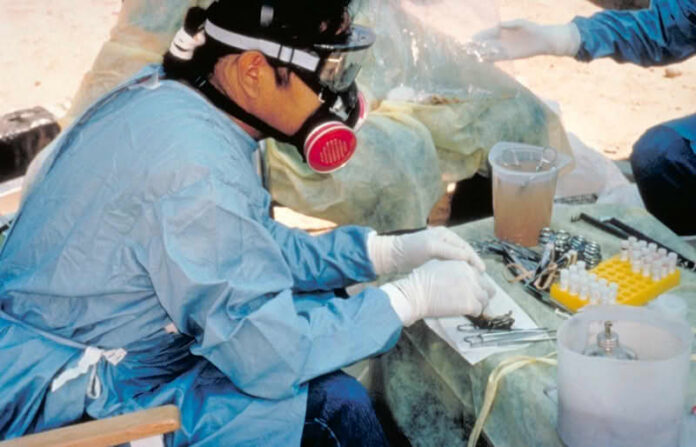
As of May 12, the outbreak reported eleven confirmed or probable cases and three deaths aboard the vessel. Spain accepted passengers at Tenerife in the Canary Islands despite local objections. Workers in hazmat suits met travelers on the dock. Eighteen American passengers entered quarantine units with biocontainment equipment during their flights home. The response system appears to be working relatively well after initial dysfunction caused by the unusual nature of a seaborne hantavirus outbreak.

Hantavirus: Have We Learned Nothing? The Fear Machine Is Starting Again. This Time, You Should Recognize It.
The Gap Between Reassurance and Reality
The personal fear framing creates a dangerous gap between official statements and observable reality. When journalists ask only whether the public should worry, they imply citizens should only care about diseases that threaten them directly. An outbreak with person-to-person transmission of a respiratory disease carrying a forty percent fatality rate with no vaccine or cure is not normal. The gap between reassuring statements and visible crisis gets filled by social media influencers predicting catastrophic outcomes. This environment makes measured public health communication nearly impossible to achieve effectively.
What Coverage Should Focus On Instead
Journalists should examine how response systems function, whether resources are adequate, and what lessons apply to future outbreaks. Questions about quarantine protocols, international cooperation, and scientific research provide more value than asking whether Americans should panic. The hantavirus outbreak will almost certainly be contained, but framing coverage around individual fear rather than systemic preparedness serves neither public health nor informed citizenship. Americans deserve coverage that respects their ability to process complex information without reducing everything to personal threat assessment.